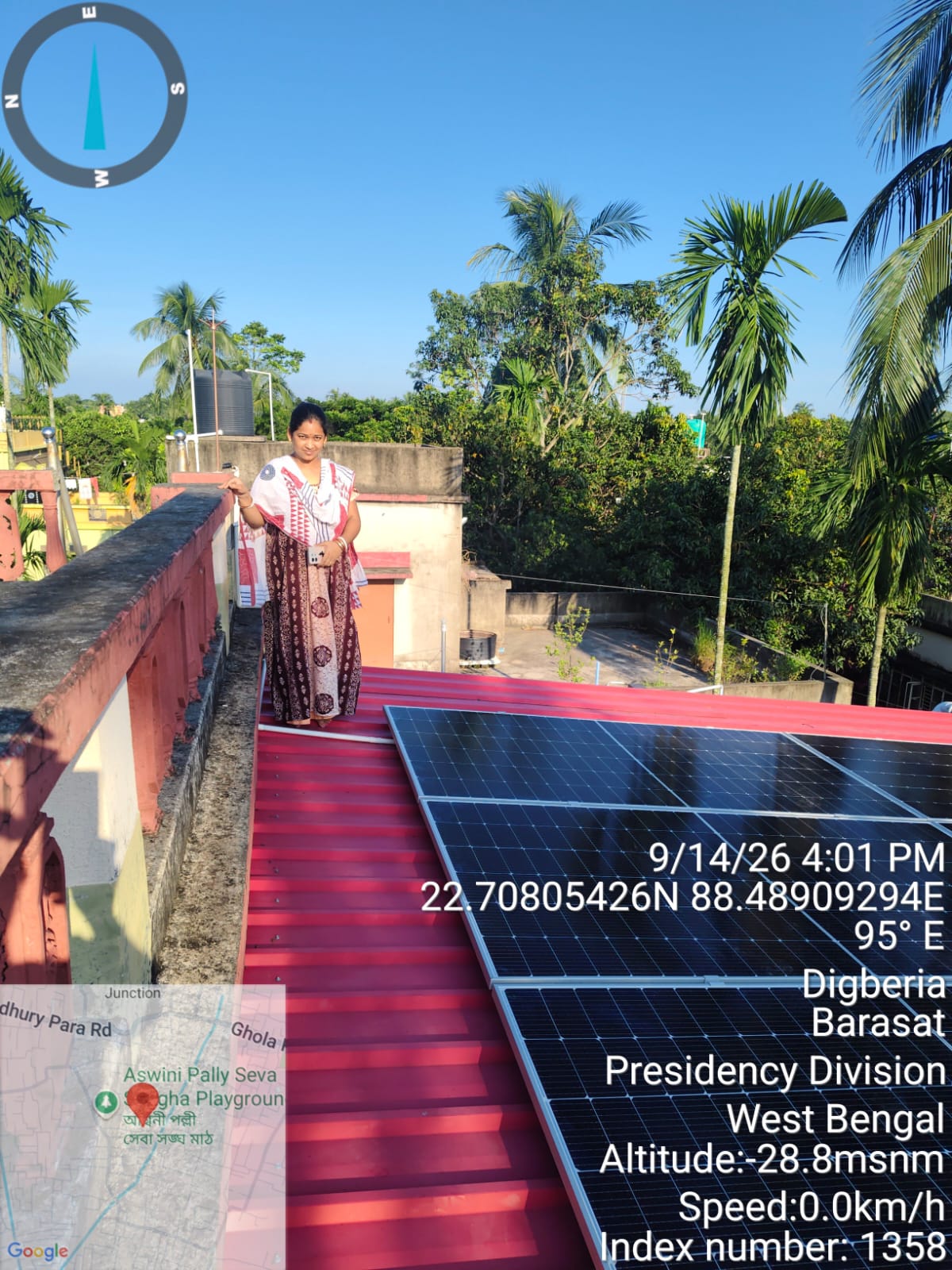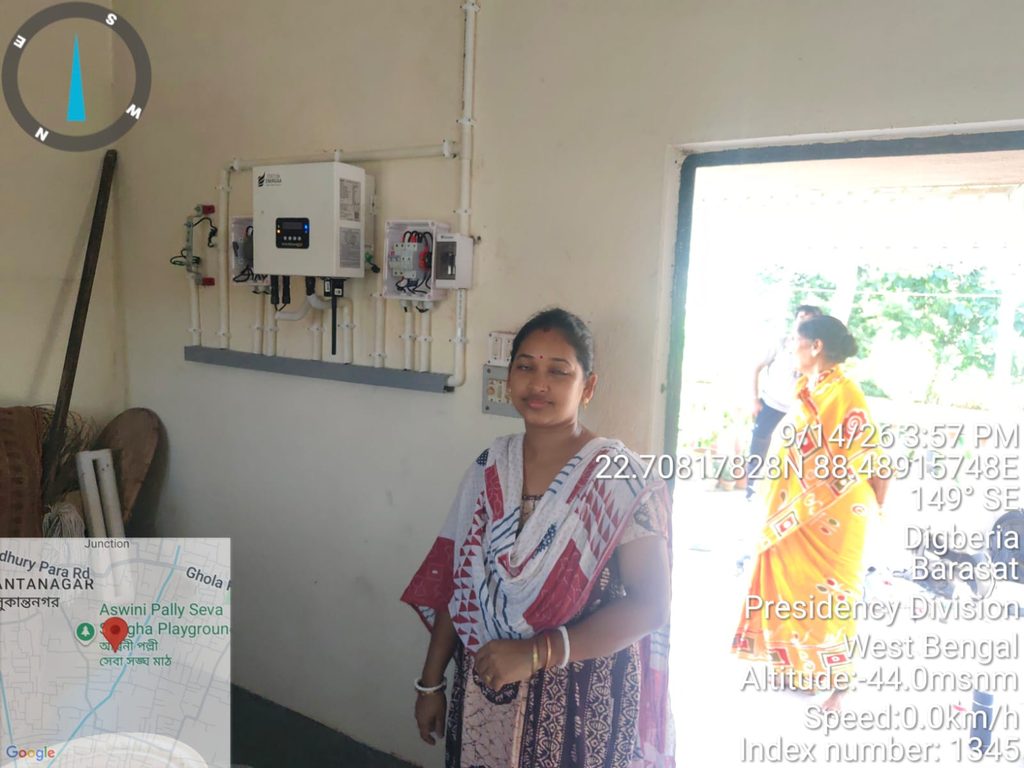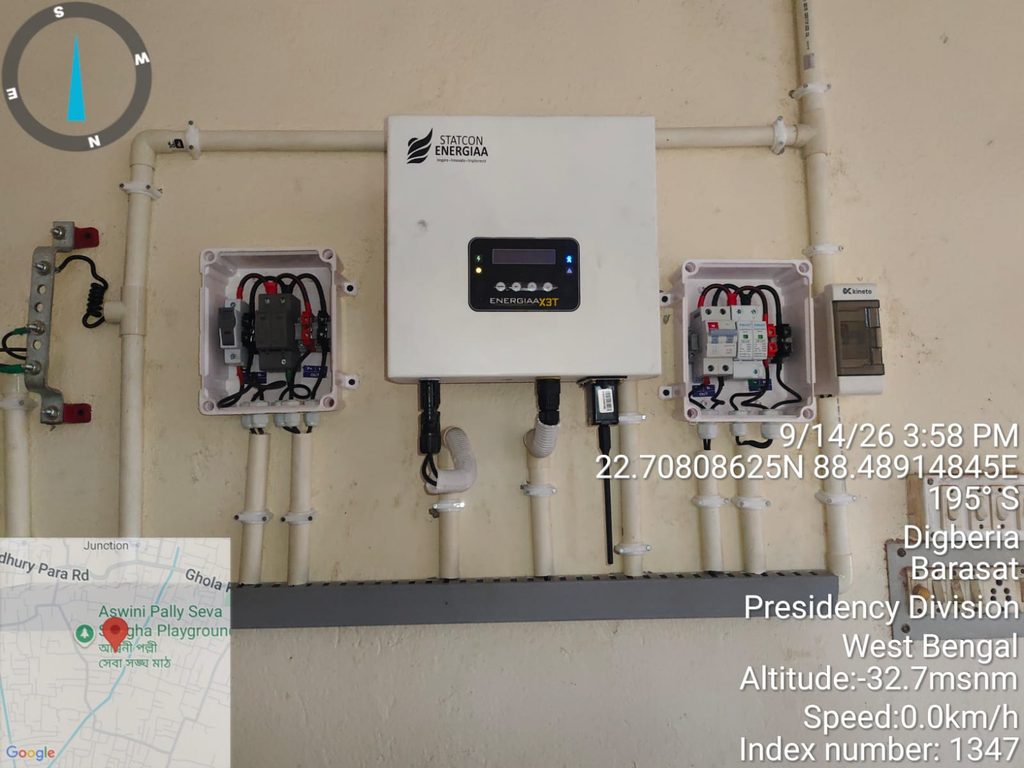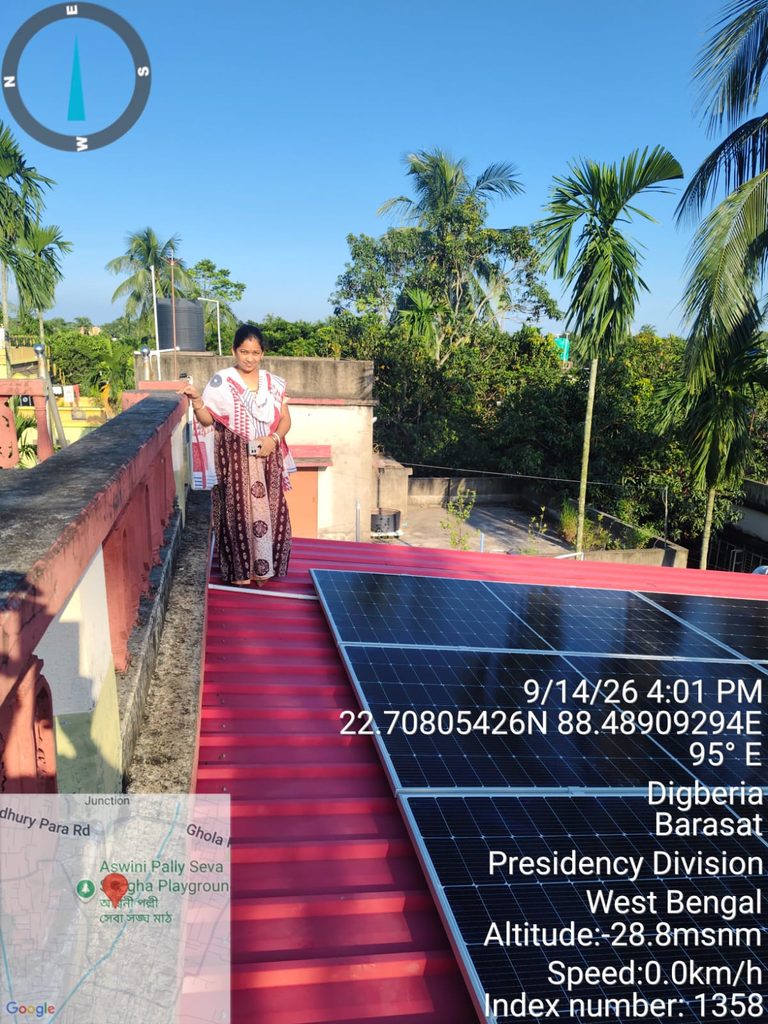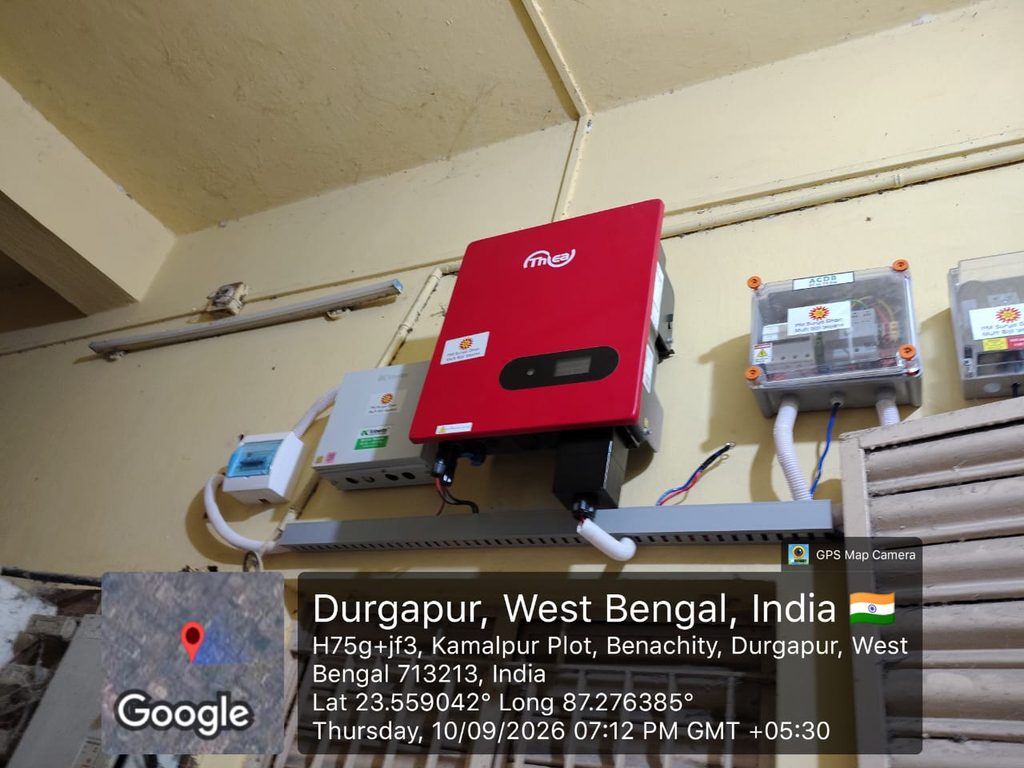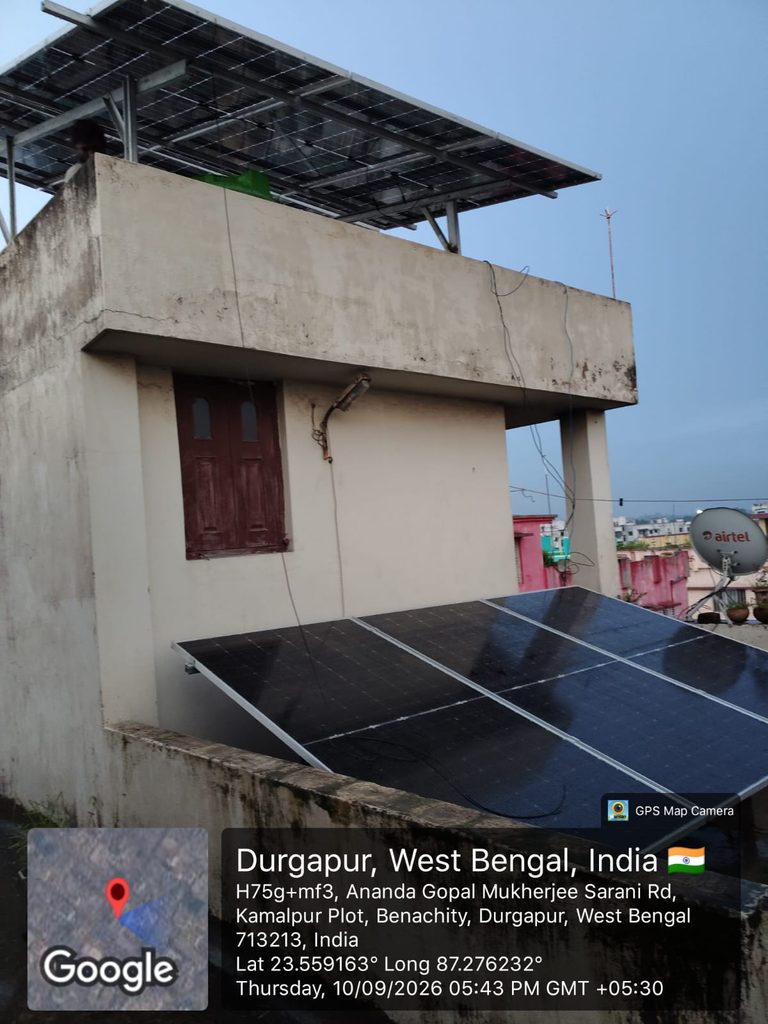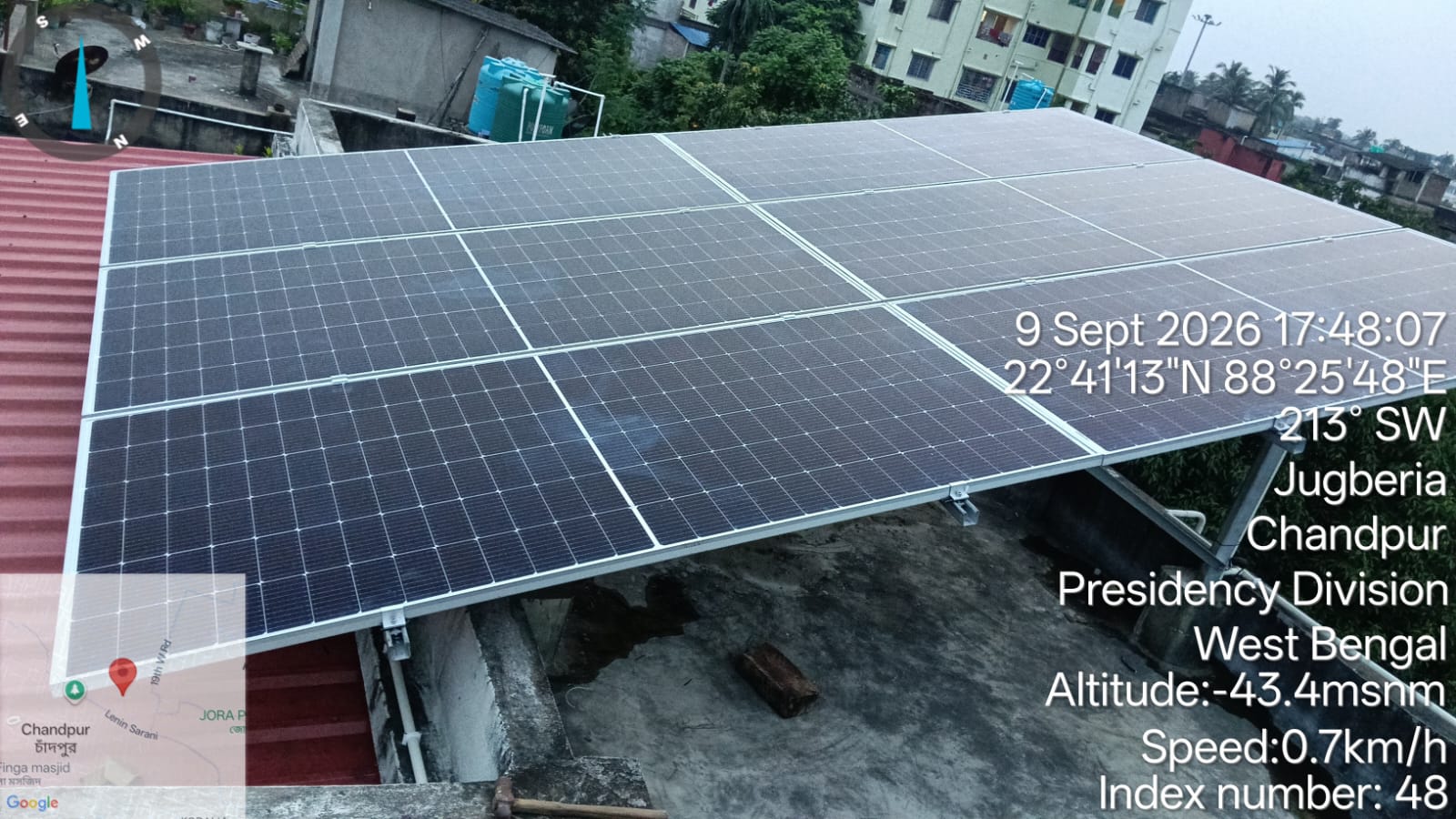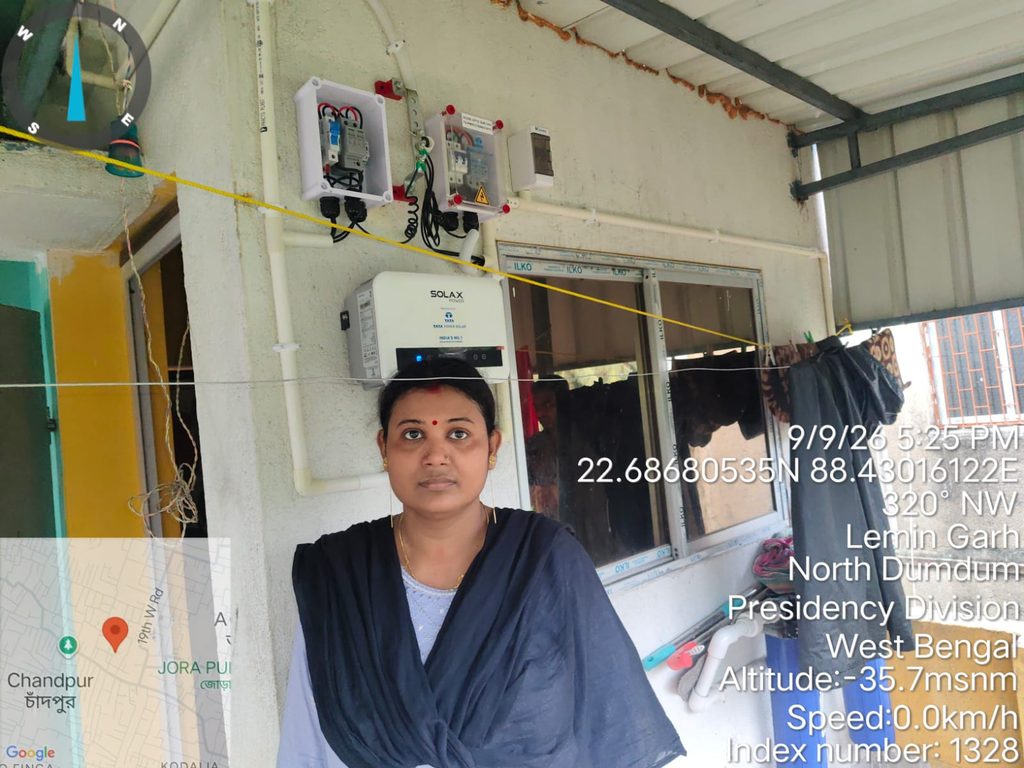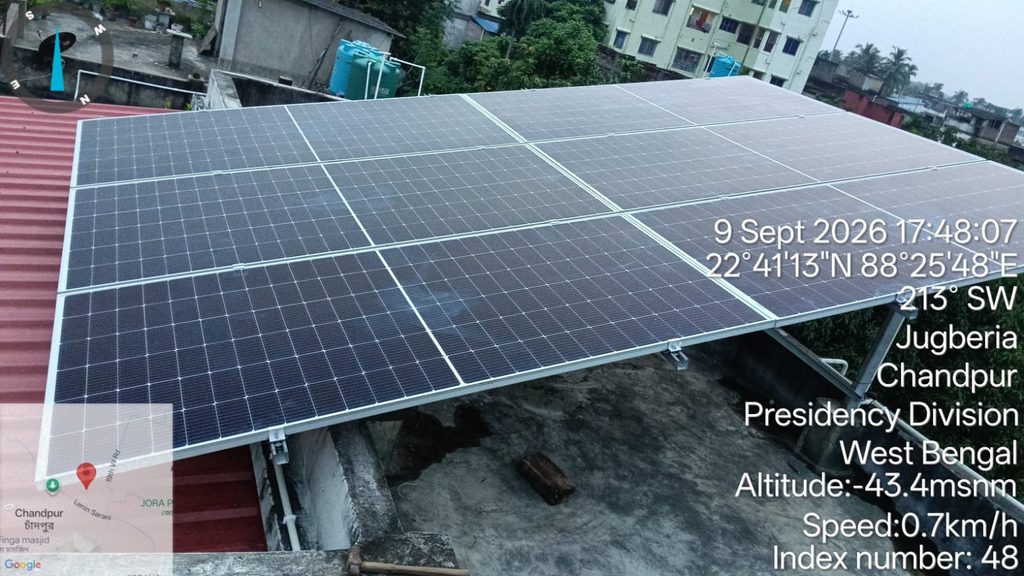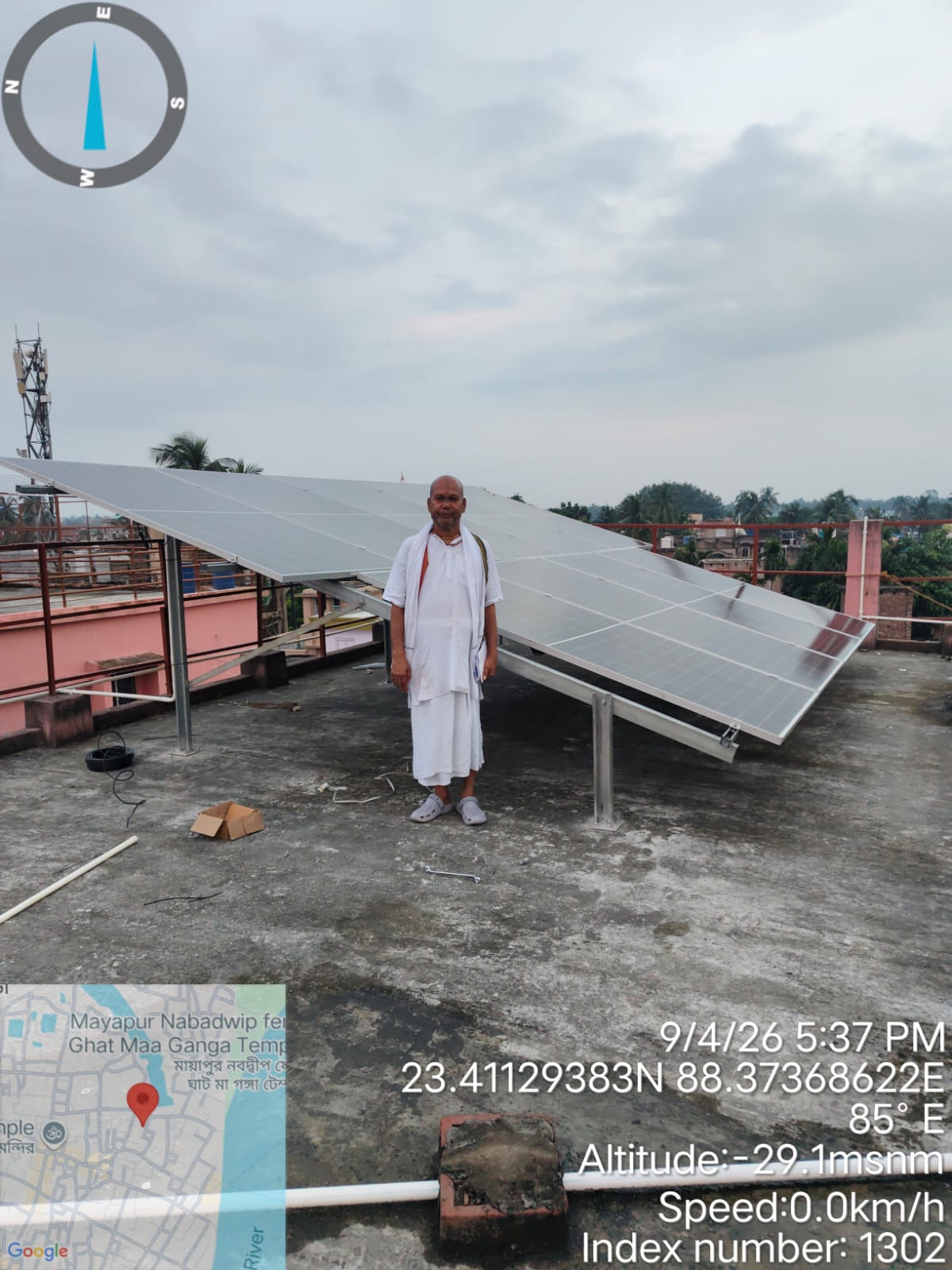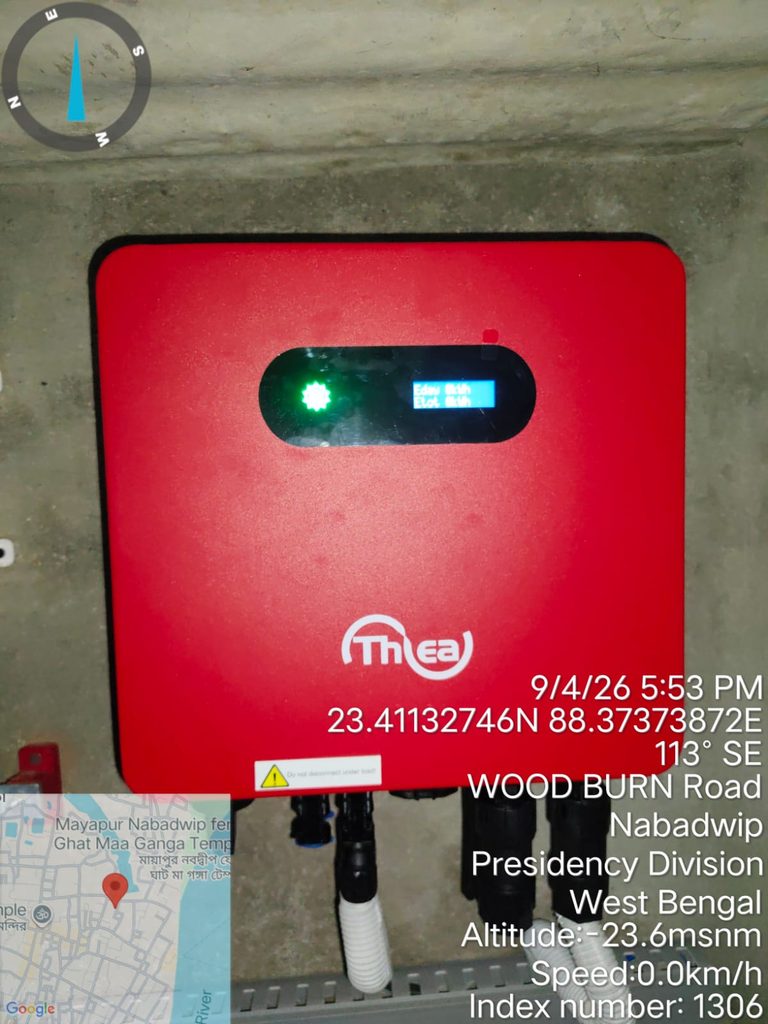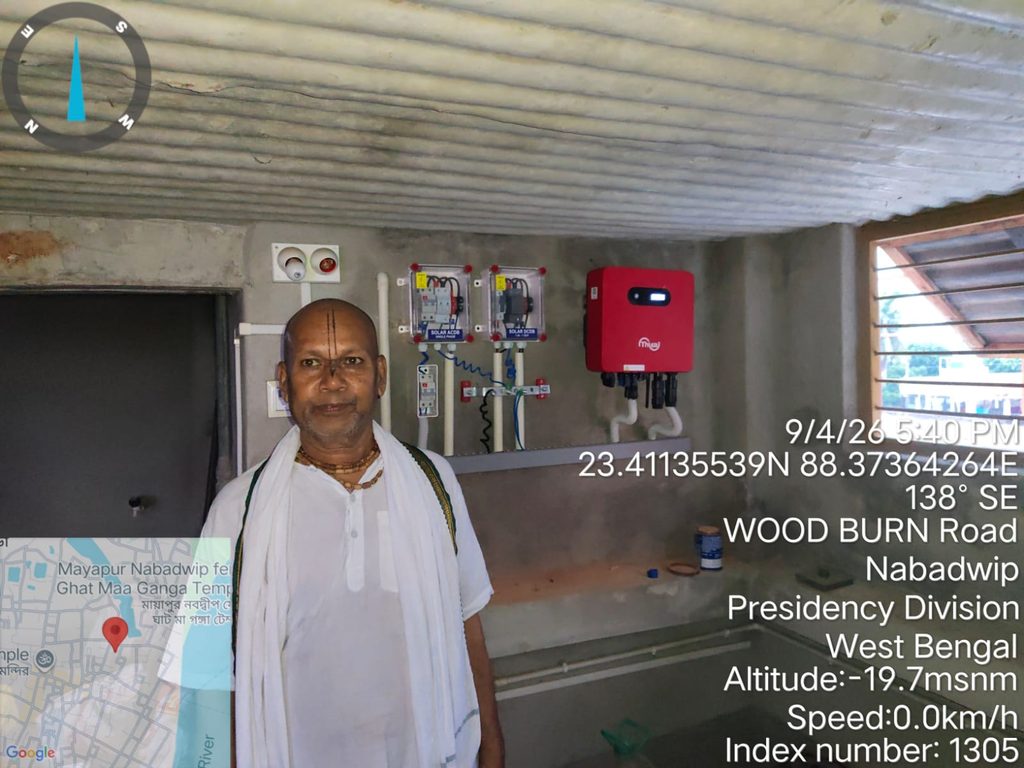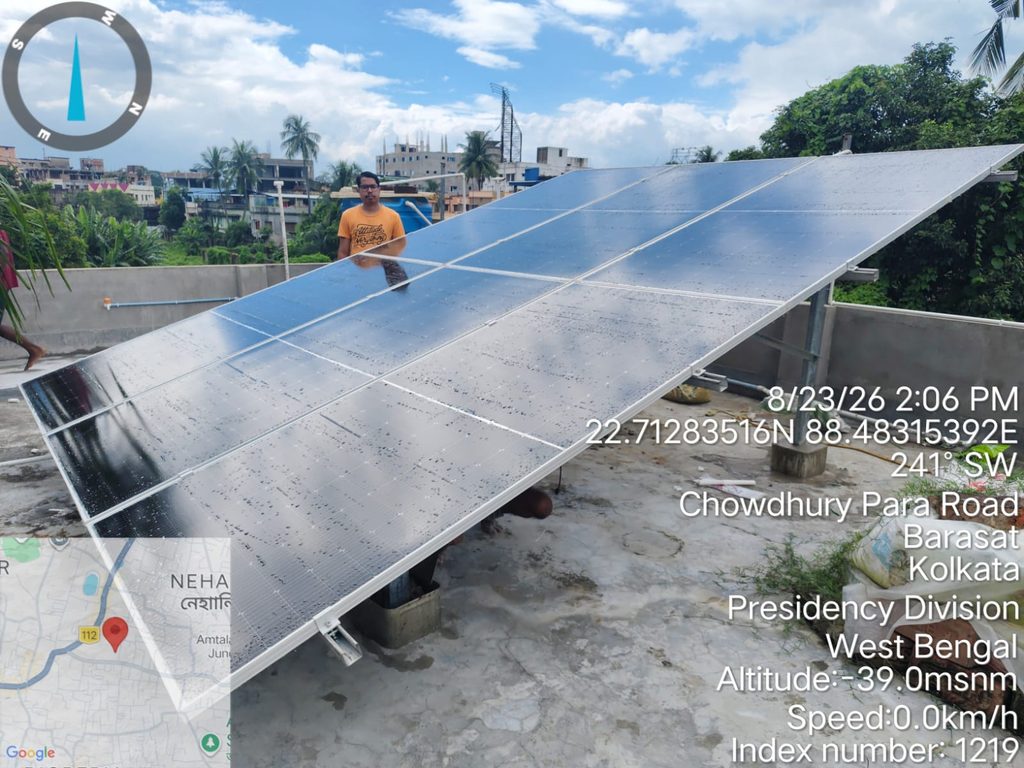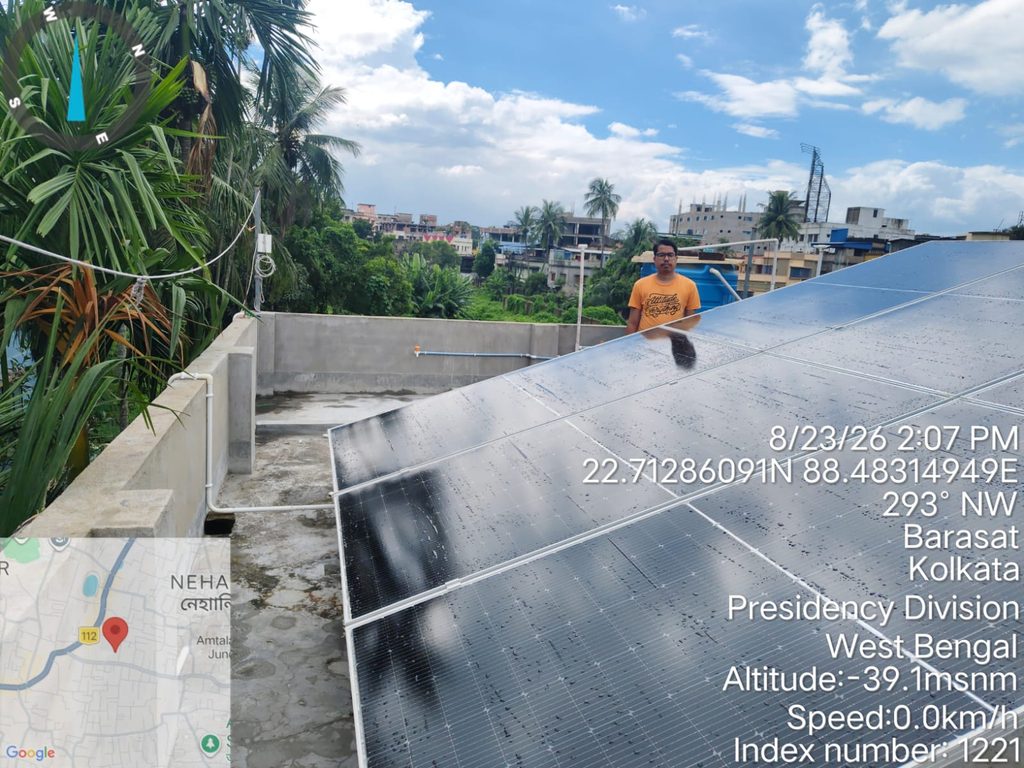
Rising electricity bills. Frequent power cuts.

If any of that sounds familiar, you are not alone. Households and businesses across Kolkata are rethinking how they power their lives, and green energy is leading that shift.

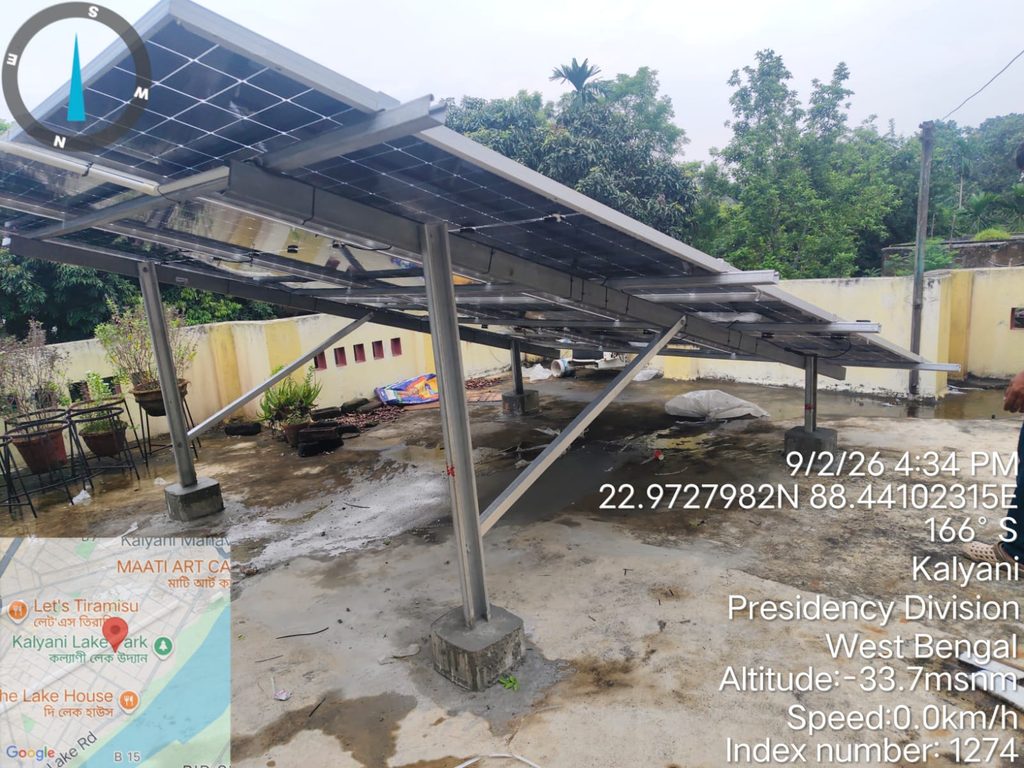
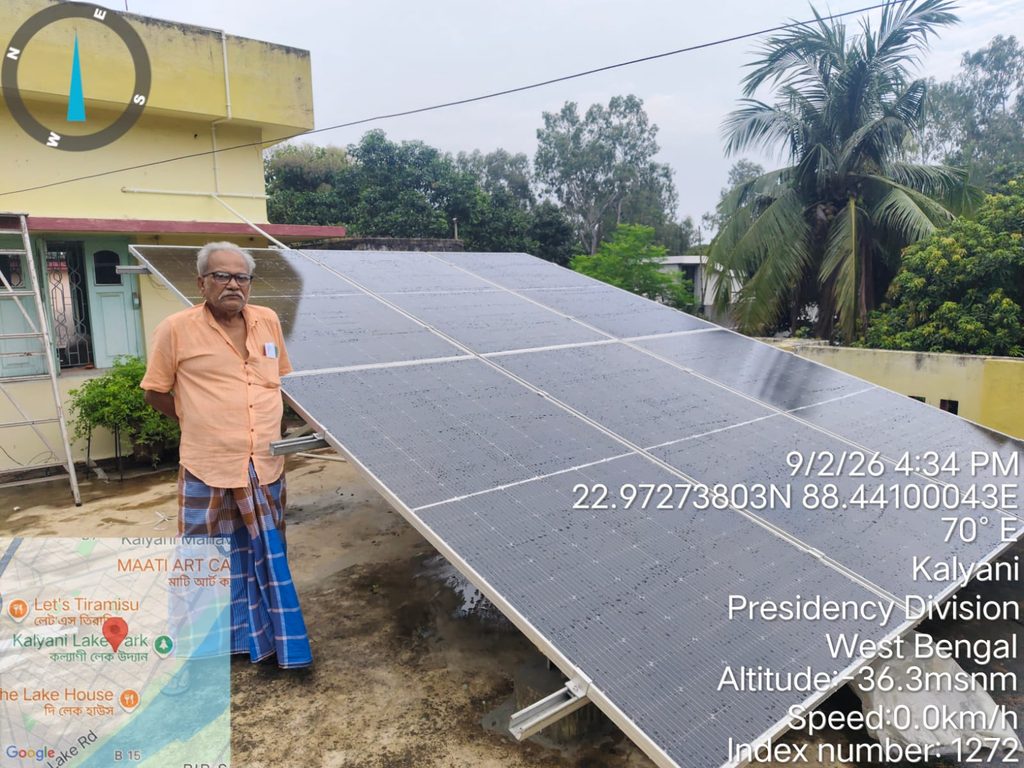
Green energy isn’t just an environmental buzzword anymore. Best solar panel installer in Kolkata has proven that it’s a practical, cost-saving, future-proofing decision.

Here’s why sustainability and operational efficiency now go hand-in-hand.

What Is Green Energy, and Why Does It Matter Now?

Green energy comes from renewable, naturally replenishing sources- sunlight, wind, and water- instead of fossil fuels. Solar power has become the most accessible form of green energy for Indian homes and businesses, thanks to falling equipment costs, generous subsidies, and Kolkata’s abundant sunshine for most of the year.

The shift matters because energy costs and carbon regulations are only moving in one direction: up and stricter. Businesses that adapt early gain a real competitive edge.

1. Lower Operating Costs, Immediately and Long- Term

Solar panels convert sunlight into electricity, cutting dependence on the grid. For homeowners, this means smaller monthly bills.

For businesses, offices, factories, retail stores, clinics, it means:

  • Reduced fixed overheads that free up capital for growth
  • Protection against unpredictable electricity tariff hikes
  • A payback period that’s shrunk significantly as panel prices have dropped
  • Available subsidies and net-metering schemes that improve ROI further

Over a 20-25year panel lifespan, the savings compound dramatically compared to staying on conventional grid power alone.

2. Operational Efficiency: Power You Can Rely On

Kolkata sees its share of grid instability and load-shedding, especially during peak summer months. Solar systems particularly when paired with battery storage, give businesses:

  • Consistent power supply that reduces downtime
  • Lower maintenance costs compared to diesel generators
  • Quieter, cleaner backup power with no fuel logistics
  • Scalable capacity as your business grows

For clinics, manufacturing units, hospitality businesses, and IT offices, uninterrupted power isn’t a convenience; it’s operational continuity.

3. Sustainability That Builds Brand Value

Consumers and clients increasingly favour businesses that visibly reduce their environmental footprint.

Going solar allows you to:

  • Lower your carbon footprint measurably
  • Strengthen ESG credentials for investors, partners, and clients
  • Differentiate your brand in a crowded market
  • Contribute meaningfully to India’s renewable energy targets

4. Government Incentives Make the Switch Easier Than Ever

Central and West Bengal state schemes currently support solar adoption through:

  • Capital subsidies for residential rooftop installations
  • Accelerated depreciation benefits for commercial installations
  • Net metering that lets you sell surplus power back to the grid
  • Simplified approval processes compared to a few years ago

These incentives significantly shorten the time it takes for a solar investment to pay for itself.

Choosing the Best Solar Installer in Kolkata

The benefits of green energy only materialize with a quality installation. A poorly designed or poorly maintained solar system underperforms, undermining both savings and sustainability goals. When evaluating solar installers in Kolkata, look for:

  • Proven local experience– familiarity with Kolkata’s climate, rooftop structures, and state subsidy processes
  • Transparent, itemized quotes– no hidden costs on panels, inverters, or installation
  • Quality equipment– tier-1 panels and inverters backed by strong warranties
  • After-sales support– maintenance, monitoring, and prompt service when issues arise
  • Verified client reviews and completed project portfolios

The right installer doesn’t just sell you panels- they design a system sized correctly for your actual consumption, guide you through subsidy paperwork, and stand behind their installation for years to come.

Green energy delivers a rare combination: lower costs, greater operational reliability, and a stronger sustainability profile- all from a single investment. As Kolkata’s businesses and homeowners increasingly make the switch, the difference between a good outcome and a great one almost always comes down to installer quality.

If you are evaluating your options, take the time to compare installers on experience, transparency, and after-service support- not price alone. A well-installed solar system pays dividends for decades; a rushed one costs you twice.

Ready to make the switch to Best Solar Installer in Kolkata?

Contact at +91 9136799865

Get advice from experts.

FAQ:

1. Why are more businesses and homeowners in Kolkata switching to solar energy?
Due to rising electricity tariffs, frequent power cuts, and growing awareness of carbon footprints are driving the shift. Solar offers long-term savings, protection against tariff hikes, and a cleaner energy source, making it an increasingly practical choice for both commercial and residential properties in the city.

2. How much can I save by installing solar panels?
Savings depend on your current electricity consumption, roof space, and system size, but most homeowners and businesses see a significant reduction in monthly electricity bills, often recovering their investment within 4-6 years, with 20+ years of free power after that.

3. What makes a solar installer “the best” choice in Kolkata?
Look for installers with proven local experience, certified technicians, quality equipment (tier-1 panels and inverters), transparent pricing, strong after-sales service, and a track record of successful installations across residential and commercial properties in the region.

4. Are there government subsidies or incentives available for solar installation in Kolkata?
Yes, both central and West Bengal state government schemes offer subsidies for residential solar installations, along with accelerated depreciation benefits for commercial and industrial setups.

Finally, you have decided solar is the way to go. Maybe your electricity bills have been climbing every summer, or your business is trying to cut operating costs and go a little greener while it’s at it. Either way, you have probably run into this term while researching: solar EPC company.

And if you are like most people, your first thought was probably, “Okay, but what does that actually mean?”

Let’s break it down in plain language, because understanding this one term can save you a lot of confusion, money, and headaches down the road.

What Does EPC Actually Stand For?

EPC stands for Engineering, Procurement, and Construction. In the solar world, a solar EPC company is the business that handles your entire solar project from start to finish, designing the system, sourcing the equipment, and physically installing it.

Think of it like hiring a contractor to build a house. You don’t want to separately hire an architect, then a materials supplier, then a construction crew, and then coordinate all of them yourself while hoping nothing falls through the cracks. An EPC company does all of that under one roof, for one project, with one point of accountability.

Breaking Down the Three Pillars

Engineering is where the technical planning happens. This includes site assessment, load calculations, system sizing, and designing the layout so your panels get maximum sunlight exposure throughout the year. A good design phase accounts for your roof orientation, shading from nearby trees or buildings, and your actual power consumption patterns.

Procurement covers sourcing all the hardware, solar panels, inverters, mounting structures, cabling, and safety equipment. A reliable solar EPC company in India will have established relationships with reputable manufacturers, which usually means better pricing and, more importantly, genuine components with proper warranties, not the grey-market stuff that fails in year two.

Construction is the actual installation, mounting the panels, wiring the system, connecting the inverter, and getting everything commissioned and connected to the grid or your battery storage, if you are going off-grid.

Why Does This Matter for Indian Homeowners and Businesses?

India’s solar sector has grown at a breakneck pace over the last decade, and with that growth has come a flood of vendors, some excellent, many not so much.

Here’s why choosing the right solar EPC company in India makes a real difference:

1. Single-window accountability- When one company handles design, sourcing, and installation, there’s no finger-pointing if something goes wrong. You are not stuck between a supplier blaming the installer and an installer blaming the supplier.

2. Regulatory and subsidy navigation- Solar installations in India involve paperwork, net metering applications, DISCOM approvals, and central or state subsidy schemes like the PM Surya Ghar Yojanahttps://pmsuryaghar.gov.in/#/for residential rooftop solar. Established EPC companies handle this on your behalf, which honestly is worth the fee alone.

3. Better long-term performance- A poorly engineered system might work fine for the first year and then start underperforming as panels degrade unevenly, wiring heats up, or the inverter struggles with load mismatches. Good engineering upfront prevents most of this.

4. Warranty and after-sales support- Reputable EPC firms don’t disappear after installation. They offer maintenance contracts, monitor system performance remotely, and are there when you need a panel replaced or a fault diagnosed.

Types of Solar EPC Projects in India

Solar EPC companies typically work across a few different segments:

  • Residential rooftop solar– smaller systems (usually 1kW to 10kW) designed for homes
  • Commercial and industrial (C&I) solar– larger installations for factories, offices, warehouses, and businesses looking to cut electricity costs at scale
  • Utility-scale solar farms– massive ground-mounted installations that feed power directly into the grid
  • Solar plus storage systems– increasingly popular as businesses and homeowners look for backup power during outages

How to Choose the Right Solar EPC Company in India

Not all EPC companies are created equal. Here’s a quick checklist before you sign anything:

  • Track record: Ask for references and, if possible, visit a completed installation.
  • Component quality: Confirm the brands of panels and inverters they use, and check if these are BIS-certified and ALMM-listed (required for many subsidy schemes).
  • Financial stability: A company that’s around today should ideally be around in 10 years to honour your warranty.
  • Transparent pricing: Get an itemised quote, not a vague lump sum.
  • Post-installation support: Ask specifically about maintenance plans, monitoring systems, and response times for repairs.
  • Certifications and licenses: Check for relevant approvals from state DISCOMs and any empanelment with government bodies like MNRE (Ministry of New and Renewable Energy).

A solar EPC company essentially takes the complexity out of going solar. Instead of juggling engineers, equipment suppliers, and installation crews on your own, you get one accountable partner who handles the entire journey, from the first site survey to the moment your panels start generating power.

Whether you are a homeowner tired of unpredictable electricity bills or a business looking to lock in long-term energy savings, working with a credible solar EPC company in India can be the difference between a smooth, high-performing solar system and a costly, underperforming one.

Click here to learn more insightful information on solar energy.

FAQ:

  1. What is the difference between a solar EPC company and a solar panel dealer?

A solar panel dealer typically just sells equipment. A solar EPC company handles the complete project, design, procurement of all components, and full installation, with accountability for the finished system’s performance.

  1. How much does it cost to hire a solar EPC company in India?

Costs vary widely depending on system size, location, and component quality, generally ranging from around ₹40,000 to ₹60,000 per kW (approx.) for residential systems, with commercial and industrial projects priced differently based on scale. It’s best to get quotes from a few EPC companies to compare.

  1. Do solar EPC companies help with government subsidies?

Yes, most established solar EPC companies assist with subsidy applications, including schemes like PM Surya Ghar Yojana for residential rooftop solar, and help manage the required documentation and DISCOM approvals.

  1. How long does a typical solar EPC project take to complete?

Residential rooftop installations usually take a few weeks from design approval to commissioning, while larger commercial or utility-scale projects can take several months depending on system size and site complexity.

If you have recently gone solar or you are still weighing the decision, here’s something worth knowing upfront: Kolkata’s climate is beautiful for a lot of things, but it’s genuinely tough on solar equipment. Between the monsoon humidity, the summer heat, and the fine dust that settles on every flat surface in the city, your panels are working in conditions that most manufacturer manuals don’t fully account for.

The good news? None of this is a reason to skip solar. It’s just a reason to maintain it properly. A well-maintained system in Kolkata can perform just as reliably as one in a drier, cooler climate; you just need to know what to watch for in your solar panel installation in Kolkata.

Why Kolkata’s Weather Is Uniquely Hard on Solar Panels

Before jumping into maintenance tips, it helps to understand what you are actually dealing with:

  • High humidity almost year-round – Kolkata’s moisture levels stay elevated for most months, which encourages dust to stick, grime to build up, and moisture to seep into electrical connections if they aren’t sealed properly.
  • Intense monsoon rainfall – While rain does rinse panels to some extent, heavy monsoon downpours also bring silt, leaf debris, and waterlogging risks around ground-mounted systems.
  • Scorching summers – Panel efficiency actually drops when cells get too hot, and Kolkata summers regularly push surface temperatures on rooftops well beyond comfortable operating ranges.
  • Urban dust and pollution – Being a dense city, airborne particulate matter settles on panel surfaces faster than in rural or coastal areas, forming a film that blocks sunlight.
  • Cyclone season – Kolkata sits close enough to the Bay of Bengal that cyclonic storms are a real structural concern, not just a weather inconvenience.

If any of this sounds familiar, don’t worry; a bit of planned maintenance goes a long way.

1. Clean Your Panels Regularly, But the Right Way

Dust and grime are the single biggest efficiency killers here. Even a thin, invisible layer of dust can reduce output by 15–25%, especially in the drier months when there’s no rain to naturally rinse the surface.

What actually works:

  • Clean panels every 2–3 weeks during dry months, and less frequently right after heavy rains.
  • Use plain water and a soft microfiber cloth or a soft-bristle brush- skip harsh detergents; they can leave streaks or degrade the anti-reflective coating.
  • Clean early morning or late evening, never in peak afternoon heat. Cold water on hot glass can cause micro-cracks over time.
  • If your roof is hard to access safely, hire a professional cleaning service instead of risking a fall.

2. Inspect for Monsoon Damage After Every Rainy Season

Once the monsoon eases, do a full visual inspection. Look for:

  • Water pooling around mounting brackets or junction boxes
  • Loose or corroded connectors
  • Debris (leaves, twigs, bird nests) trapped under panel edges
  • Any visible cracks caused by hailstones or falling branches

Catching these early prevents small issues from turning into costly repairs- or worse, safety hazards.

Solar panels are rated for performance at 25°C, and every degree above that typically shaves off a small percentage of efficiency. Kolkata summers can push panel surface temperatures much higher.

What helps:

  • Ensure proper air gap between the panel and the roof surface during installation; this alone improves natural cooling significantly.
  • Avoid mounting panels flush against dark roofing material that traps heat.
  • If you are getting a new setup, ask your installer about ventilated or elevated mounting structures suited to hot, humid climates.

This is actually one of the biggest reasons why getting your solar panel installation in Kolkata done by a team that understands local weather patterns matters so much; the mounting design and orientation decisions made on day one directly affect how much heat-related loss you will deal with for years afterwards.

4. Check Electrical Connections for Moisture Damage

Humidity is quietly corrosive. Over months and years, moisture can creep into junction boxes, inverter housings, and wiring connections if seals aren’t fully weatherproof.

  • Get connections checked by a professional at least once a year, ideally before monsoon season begins.
  • Look out for any unusual dips in energy output on your monitoring app; this is often the first sign of a connection issue.
  • Make sure your inverter is installed in a shaded, ventilated spot, not exposed directly to rain or direct sun.

5. Trim Overhanging Trees and Manage Shading

Kolkata’s leafy neighbourhoods are lovely, but overhanging branches are a common- and often overlooked- cause of shading loss. Even partial shade on one panel can drag down the output of an entire string, depending on your system’s wiring configuration.

  • Trim branches that cast shadows during peak sun hours (roughly 10 AM to 3 PM).
  • Check for shadow patterns seasonally, since the sun’s angle shifts and previously shade-free panels may not stay that way year-round.

6. Prepare for Cyclone Season

Kolkata’s proximity to the Bay of Bengal means cyclone preparedness isn’t optional.

  • Have mounting structures inspected annually for rust or loosening bolts, especially before storm season.
  • Confirm your installer used wind-load-rated mounting hardware appropriate for coastal-adjacent conditions.
  • After any major storm, do a full inspection before assuming everything is fine- even if the panels look intact from the ground.

7. Monitor Performance Digitally

Most modern systems come with monitoring apps that track daily and monthly energy generation. Get into the habit of checking this regularly rather than waiting for a visible problem.

  • A sudden or gradual dip in output is often the earliest warning sign of dust buildup, shading, or a technical fault.
  • Compare seasonal performance year-over-year to understand your system’s natural fluctuation versus an actual problem.

8. Schedule Professional Servicing Annually

DIY cleaning and visual checks handle a lot, but a full professional inspection once a year is worth the investment. Technicians can test inverter health, check wiring insulation, measure output efficiency, and catch issues that aren’t visible to the untrained eye.

If you are still exploring your options, working with a local provider experienced in solar panel installation in Kolkata from the start makes ongoing maintenance considerably easier, since they already understand the region’s humidity, heat, and monsoon-specific challenges, rather than applying a generic, one-size-fits-all maintenance plan.

Regular cleaning, seasonal inspections, and one solid annual professional checkup will keep your system running close to its rated efficiency throughout its 25+ year lifespan.

Click here to save on your bills.

FAQ:

  1. How often should I clean my solar panels in Kolkata?

During dry months, every 2–3 weeks is a good rhythm since dust builds up quickly in urban conditions. During and right after the monsoon, natural rainfall handles most of the cleaning, so you can space it out to once a month, followed by a thorough check once the rains stop.

  • Does Kolkata’s humidity actually damage solar panels?

The panels themselves are built to handle humidity, but the electrical components, junction boxes, wiring, and inverters are more vulnerable if seals degrade over time. Annual professional inspections are the best way to catch moisture-related issues before they become bigger problems.

  • Can solar panels survive Kolkata’s cyclone season?

Yes, as long as the mounting structure is properly rated for wind load and installed correctly from the start. This is another reason why choosing an experienced provider for solar panel installation in Kolkata matters: proper upfront structural planning significantly reduces storm-related risks later.

  • How much efficiency do I lose from heat in Kolkata summers?

Panel efficiency typically drops by a small percentage for every degree above the standard 25°C test rating, and Kolkata’s summer heat can meaningfully add up over the season. Good ventilation gaps during installation and light-colored or elevated mounting can help offset a good portion of this loss.

Picture your electricity bill this July. Now picture it 40% lower. That’s not a sales pitch; it’s the actual math for businesses that made the switch last year.

If you run a factory, office, warehouse, or retail chain and you have been sitting on the fence about going solar, 2026 is genuinely the year the numbers finally tilt in your favour. Equipment costs have dropped, financing has gotten easier, and, if you are based in West Bengal, the interest around commercial solar panel installation in Kolkata has picked up noticeably, thanks to rising grid tariffs and better local vendor support.

This guide walks you through everything: how the process actually works, what it costs, what to watch out for, and why Kolkata specifically is having a bit of a solar moment right now.

Why Businesses Are Finally Taking Solar Seriously

For years, commercial solar felt like something only large factories with idle rooftop space bothered with. That’s changed.

A few things pushed it into the mainstream:

  • Grid electricity keeps climbing. Commercial tariffs are consistently higher than residential ones, which means the payback period for businesses is often shorter than for homes.
  • Panel prices have dropped substantially compared to five years ago, while efficiency has gone up.
  • Depreciation benefits under Indian tax law let businesses write off a large chunk of the system cost in the very first year.
  • ESG pressure — clients, investors, and even employees increasingly expect companies to show some climate accountability.

None of this is hype. It’s just businesses doing the math and realising rooftop solar pays for itself faster than most other capital investments.

Why Kolkata Is a Smart Place to Go Solar

Kolkata doesn’t get the solar spotlight the way Gujarat or Rajasthan does, but the fundamentals are quietly strong here.

  • Decent solar irradiance- Kolkata gets roughly 4.5 to 5 peak sun hours a day on average, not the best in India, but more than enough to make commercial systems worthwhile.
  • Rising commercial power tariffs in West Bengal have made solar an increasingly attractive hedge against unpredictable bills.
  • Growing local ecosystem- more installers, better after-sales service, and easier access to financing than even three or four years ago.
  • State and central subsidy overlap for certain categories of commercial and industrial consumers, which can meaningfully cut upfront costs.

If you are comparing vendors for commercial solar panel installation in Kolkata, you will now find a genuinely competitive market, which is good news for pricing and service quality.

How Commercial Solar Installation Actually Works

Most business owners assume it’s just “call a vendor, panels go up.” In reality, there’s a clear sequence, and understanding it helps you avoid getting oversold or underserved.

1. Site Assessment and Energy Audit

An installer studies your rooftop or ground space, shading patterns, structural load capacity, and, most importantly, your actual electricity consumption pattern. This determines system size, not the other way around.

2. System Design

Based on your load, the team designs a system: panel count, inverter capacity, wiring layout, and whether it’s on-grid, off-grid, or hybrid. For most commercial setups, on-grid systems make the most financial sense because they let you sell surplus power back through net metering.

3. Approvals and Net Metering Application

This is the part people underestimate. You will need clearances from the local electricity distribution company, structural approvals if required, and a net metering agreement. A good installer handles this paperwork for you.

4. Procurement and Installation

Panels, inverters, mounting structures, and cabling get installed, usually within a few days to a couple of weeks depending on system size.

5. Inspection and Commissioning

The utility inspects the setup, the net meter gets installed, and the system goes live.

6. Monitoring and Maintenance

Modern systems come with app-based monitoring so you can track generation in real time, flag underperformance early, and plan maintenance.

What Does It Actually Cost?

Costs vary by system size, panel type, and roof condition, but here’s a realistic range for 2026:

System SizeApprox. Cost RangeSuitable For
10–25 kW₹5.5–7 lakhSmall offices, retail stores
25–100 kW₹13–27 lakhMid-sized factories, warehouses
100 kW+Custom quoteLarge industrial units

Most commercial installations pay for themselves in 3 to 5 years, and panels typically carry 25-year performance warranties, meaning two decades of essentially free electricity after payback.

Choosing the Right Installer

This is where most of the actual risk lives, not in the technology, but in the vendor. Before signing anything, ask:

  • Do they offer a genuine 25-year performance warranty, in writing?
  • Do they handle net metering and DISCOM paperwork themselves, or leave it to you?
  • What’s their response time for maintenance issues?
  • Are their panels and inverters from tier-1, bankable manufacturers?

Common Mistakes Businesses Make

  • Oversizing the system to “future-proof” without matching actual load data- this wastes capital.
  • Ignoring roof condition. Installing on a roof that needs repair in two years means paying to dismantle and reinstall.
  • Skipping the energy audit and just going with a standard package size.
  • Not checking net metering feasibility before committing -some DISCOM zones have capacity limits.

Is 2026 the Right Time?

If your business has predictable daytime power consumption- factories, cold storage, offices, retail- the answer is almost always yes. Costs are down, subsidies are still active in several categories, and payback periods are shorter than they have ever been. Waiting another year rarely improves the math; it just delays the savings.

For businesses specifically weighing commercial solar panel installation in Kolkata, the combination of decent sunlight, rising tariffs, and a maturing local vendor market makes this one of the more sensible capital decisions you can make this year.

Click here to learn more and get expert guidance.

Frequently Asked Questions

  • How much rooftop space do I need for commercial solar installation?

As a rough rule, 1 kW of solar capacity needs about 80–100 square feet of shadow-free rooftop area. So, a 25 kW system would need roughly 2,000–2,500 square feet.

  • Can my business sell excess solar power back to the grid?

Yes, through net metering. Any surplus power your system generates beyond what you consume gets exported to the grid, and you are credited for it, effectively lowering your net electricity bill further.

  • How long does commercial solar installation take from start to finish?

For most mid-sized commercial systems, expect 4 to 8 weeks total,  including site assessment, approvals, installation, and commissioning. Larger industrial systems can take longer due to structural and approval complexity.

  • What maintenance does a commercial solar system require?

Very little, mainly periodic panel cleaning (especially important in dusty or humid climates like Kolkata) and routine inverter checks. Most installers offer annual maintenance contracts that cover both.

Let’s face it, the main reason why most people postpone going solar is not that they don’t believe in it. It’s the shocking price tag that sends chills down our spine. One look at the costs, and you are already picturing too many zeros, eventually closing the browser.
However, the good news is that solar has become significantly cheaper over the past few years.

There are actual, practical methods to bring down the overall price, and the best part is, you don’t have to compromise on panel quality that gives up in the first five years. If you reside in West Bengal and are on the lookout for the best solar company in Kolkata, this will prepare you for an informed conversation.

1. Make the most of Government Subsidies

This is something many people miss, and it’s the money saver. The government, through programs like the PM Surya Ghar Muft Bijli Yojana, and often accompanied by state-specific initiatives like West Bengal’s rooftop solar subsidies, provides substantial grants to residential installations. Depending on the scale of the installation, subsidies can be a massive price slash!

The Catch?

The application processes are complicated, and most solar installation companies are not too forthcoming with information or assist you in filling out these forms. A reliable company, however, should ideally take care of this process, knocking as much as 30-40% off your initial cost.

2. Right-Size Your System (Don’t Over-size it)

More solar panels aren’t always directly proportional to more savings. Sometimes, consumers are oversold systems that are much larger than they actually need for their current electricity consumption. A bigger system benefits the installer more through higher revenue.

A well-sized system:

  • Cost Less Initially
  • Pays back faster
  • Still fulfils your consumption needs

Ask the potential installer for a comprehensive load audit based on the previous year’s electricity bills. If they don’t show interest in seeing them first, that’s a sign to pause and reconsider.

3. Compare Quotes- Line by Line

Solar quotes can look incredibly divergent even for “similar” systems, as installers may lump different brands, varying inverter quality, specific warranty terms, and installation charges under one headline figure. Obtain at least three separate quotes and analyse:
Panel manufacturer, model, and efficiency rating
Inverter brand, type (e.g., string or micro-inverter), and warranty details

  • Installation and mounting hardware costs
  • Post-installation maintenance and warranty

Whether subsidy facilitation is a part of the quote.
The benefit of going with the best solar company in Kolkata is their experience with a comparison-driven market, offering transparent, itemised quotes rather than a single, nebulous sum.

4. Harness Net Metering for Faster Payback

Net metering turns your solar system into a two-way power producer. It allows you to feed excess solar energy back into the grid. In places like Kolkata and throughout West Bengal, implementing net metering can significantly shorten the system’s payback period.

Ensure your chosen installer:

Facilitates the net metering application with the relevant electricity distribution company (e.g., CESC or WBSEDCL)
Specifies a bidirectional meter compatible with your solar array
Presents realistic projections of electricity export and system payback
Without net metering, you are essentially not getting the full value out of your solar investment.

5. Consider Financing Instead of Upfront Cash Payments

You don’t need to possess the entire lump sum cash ready in hand to start generating your own clean energy. Various financing options are commonly available through solar installers:
Flexible EMI payment schemes, often cheaper than your monthly electricity bill.
Low-interest solar loans.
Some companies even offer zero-down-payment solutions.
This makes the cost spread out manageable, where the installation of a solar system could potentially become cheaper than your monthly electricity expense.

The Ultimate Strategy: Pick the Right Installer

All the points above work optimally when you are partnering with an installer who is experienced, honest, and focused on your long-term benefit, not just making a quick sale. When customers ask for the best solar company in Kolkata, they often mean a partner who meticulously handles subsidy paperwork, sizes systems precisely, and stands behind their work for years.
Click here and do your research thoroughly, ask every pertinent question, and don’t shy away from negotiating. Solar is a rare home investment that pays you back for decades; ensure you do it smartly.

FAQ:

  1. How much does it cost to install solar panels in Kolkata?

The cost varies depending on factors like system size and components. With government subsidies, the final investment can be considerably less than the initial quoted price. Getting a customised quote is the most effective way to ascertain the actual cost for your home.


2. How do I determine if a solar company is reputable?

Look for installers with demonstrable project history, clear warranty documentation, detailed itemised quotes, and a helpful attitude towards processing subsidies and net metering. Inquiring about references from other satisfied customers in your vicinity is also a wise step.


3. What is the typical payback period for a solar installation?

Considering subsidies, net metering, and the right system size, most residential solar installations in Kolkata recuperate their investment within 4 to 7 years, with the electricity generated then being free for the system’s remainder lifespan of 15-20+ years.


4. Is it possible to install solar without paying all the money upfront?

 Yes. Most installers offer solar financing options like low-interest loans or EMI plans that are often lower than monthly electricity bills, and some may even offer zero-down payment solutions.