
If you have recently gone solar or you are still weighing the decision, here’s something worth knowing upfront: Kolkata’s climate is beautiful for a lot of things, but it’s genuinely tough on solar equipment. Between the monsoon humidity, the summer heat, and the fine dust that settles on every flat surface in the city, your panels are working in conditions that most manufacturer manuals don’t fully account for.

The good news? None of this is a reason to skip solar. It’s just a reason to maintain it properly. A well-maintained system in Kolkata can perform just as reliably as one in a drier, cooler climate; you just need to know what to watch for in your solar panel installation in Kolkata.

Why Kolkata’s Weather Is Uniquely Hard on Solar Panels

Before jumping into maintenance tips, it helps to understand what you are actually dealing with:

  • High humidity almost year-round – Kolkata’s moisture levels stay elevated for most months, which encourages dust to stick, grime to build up, and moisture to seep into electrical connections if they aren’t sealed properly.
  • Intense monsoon rainfall – While rain does rinse panels to some extent, heavy monsoon downpours also bring silt, leaf debris, and waterlogging risks around ground-mounted systems.
  • Scorching summers – Panel efficiency actually drops when cells get too hot, and Kolkata summers regularly push surface temperatures on rooftops well beyond comfortable operating ranges.
  • Urban dust and pollution – Being a dense city, airborne particulate matter settles on panel surfaces faster than in rural or coastal areas, forming a film that blocks sunlight.
  • Cyclone season – Kolkata sits close enough to the Bay of Bengal that cyclonic storms are a real structural concern, not just a weather inconvenience.

If any of this sounds familiar, don’t worry; a bit of planned maintenance goes a long way.

1. Clean Your Panels Regularly, But the Right Way

Dust and grime are the single biggest efficiency killers here. Even a thin, invisible layer of dust can reduce output by 15–25%, especially in the drier months when there’s no rain to naturally rinse the surface.

What actually works:

  • Clean panels every 2–3 weeks during dry months, and less frequently right after heavy rains.
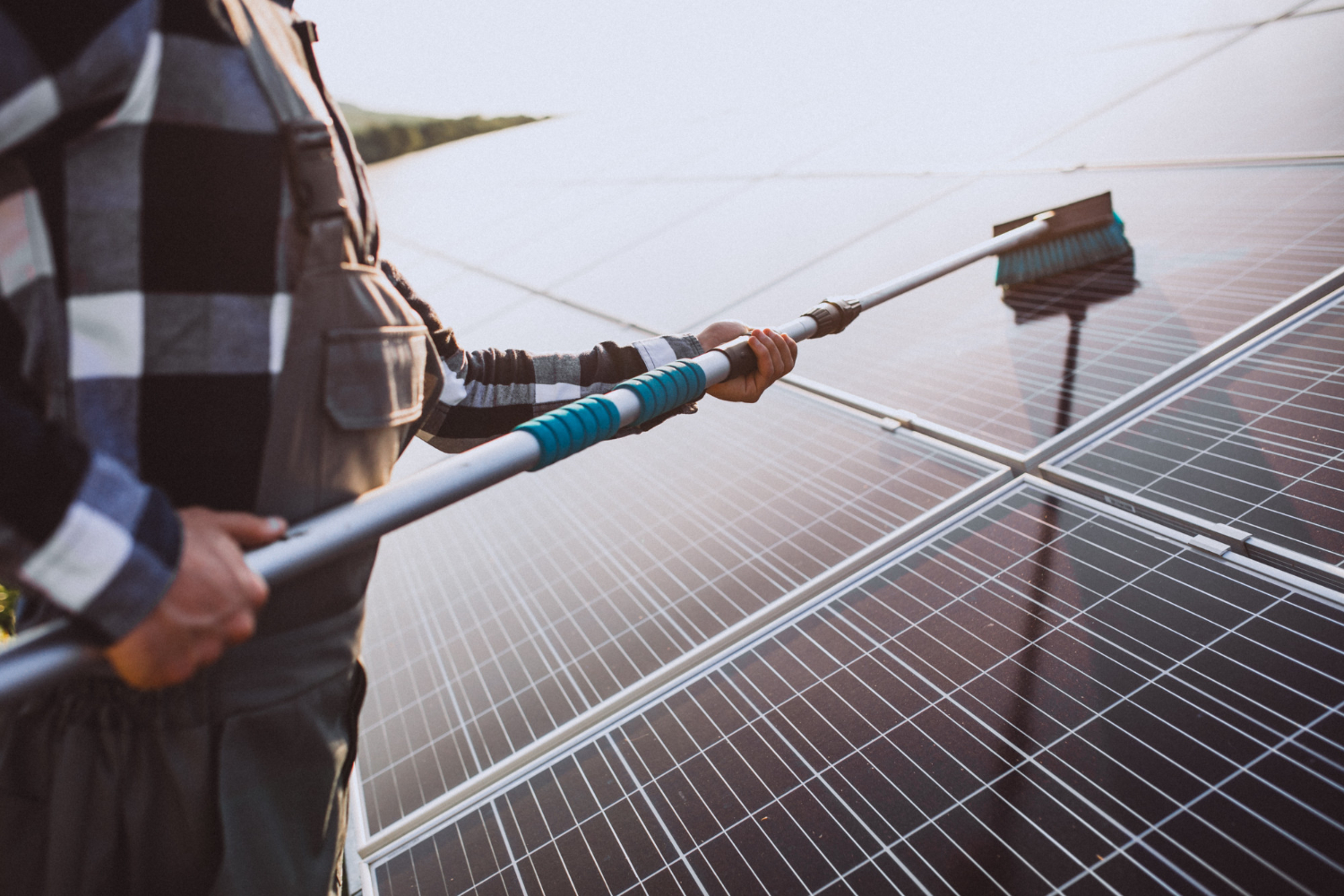
  • Use plain water and a soft microfiber cloth or a soft-bristle brush- skip harsh detergents; they can leave streaks or degrade the anti-reflective coating.
  • Clean early morning or late evening, never in peak afternoon heat. Cold water on hot glass can cause micro-cracks over time.
  • If your roof is hard to access safely, hire a professional cleaning service instead of risking a fall.

2. Inspect for Monsoon Damage After Every Rainy Season

Once the monsoon eases, do a full visual inspection. Look for:

  • Water pooling around mounting brackets or junction boxes
  • Loose or corroded connectors
  • Debris (leaves, twigs, bird nests) trapped under panel edges
  • Any visible cracks caused by hailstones or falling branches

Catching these early prevents small issues from turning into costly repairs- or worse, safety hazards.

Solar panels are rated for performance at 25°C, and every degree above that typically shaves off a small percentage of efficiency. Kolkata summers can push panel surface temperatures much higher.

What helps:

  • Ensure proper air gap between the panel and the roof surface during installation; this alone improves natural cooling significantly.
  • Avoid mounting panels flush against dark roofing material that traps heat.
  • If you are getting a new setup, ask your installer about ventilated or elevated mounting structures suited to hot, humid climates.

This is actually one of the biggest reasons why getting your solar panel installation in Kolkata done by a team that understands local weather patterns matters so much; the mounting design and orientation decisions made on day one directly affect how much heat-related loss you will deal with for years afterwards.

4. Check Electrical Connections for Moisture Damage

Humidity is quietly corrosive. Over months and years, moisture can creep into junction boxes, inverter housings, and wiring connections if seals aren’t fully weatherproof.

  • Get connections checked by a professional at least once a year, ideally before monsoon season begins.
  • Look out for any unusual dips in energy output on your monitoring app; this is often the first sign of a connection issue.
  • Make sure your inverter is installed in a shaded, ventilated spot, not exposed directly to rain or direct sun.

5. Trim Overhanging Trees and Manage Shading

Kolkata’s leafy neighbourhoods are lovely, but overhanging branches are a common- and often overlooked- cause of shading loss. Even partial shade on one panel can drag down the output of an entire string, depending on your system’s wiring configuration.

  • Trim branches that cast shadows during peak sun hours (roughly 10 AM to 3 PM).
  • Check for shadow patterns seasonally, since the sun’s angle shifts and previously shade-free panels may not stay that way year-round.

6. Prepare for Cyclone Season

Kolkata’s proximity to the Bay of Bengal means cyclone preparedness isn’t optional.

  • Have mounting structures inspected annually for rust or loosening bolts, especially before storm season.
  • Confirm your installer used wind-load-rated mounting hardware appropriate for coastal-adjacent conditions.
  • After any major storm, do a full inspection before assuming everything is fine- even if the panels look intact from the ground.

7. Monitor Performance Digitally

Most modern systems come with monitoring apps that track daily and monthly energy generation. Get into the habit of checking this regularly rather than waiting for a visible problem.

  • A sudden or gradual dip in output is often the earliest warning sign of dust buildup, shading, or a technical fault.
  • Compare seasonal performance year-over-year to understand your system’s natural fluctuation versus an actual problem.

8. Schedule Professional Servicing Annually

DIY cleaning and visual checks handle a lot, but a full professional inspection once a year is worth the investment. Technicians can test inverter health, check wiring insulation, measure output efficiency, and catch issues that aren’t visible to the untrained eye.

If you are still exploring your options, working with a local provider experienced in solar panel installation in Kolkata from the start makes ongoing maintenance considerably easier, since they already understand the region’s humidity, heat, and monsoon-specific challenges, rather than applying a generic, one-size-fits-all maintenance plan.

Regular cleaning, seasonal inspections, and one solid annual professional checkup will keep your system running close to its rated efficiency throughout its 25+ year lifespan.

Click here to save on your bills.

FAQ:

  1. How often should I clean my solar panels in Kolkata?

During dry months, every 2–3 weeks is a good rhythm since dust builds up quickly in urban conditions. During and right after the monsoon, natural rainfall handles most of the cleaning, so you can space it out to once a month, followed by a thorough check once the rains stop.

  • Does Kolkata’s humidity actually damage solar panels?

The panels themselves are built to handle humidity, but the electrical components, junction boxes, wiring, and inverters are more vulnerable if seals degrade over time. Annual professional inspections are the best way to catch moisture-related issues before they become bigger problems.

  • Can solar panels survive Kolkata’s cyclone season?

Yes, as long as the mounting structure is properly rated for wind load and installed correctly from the start. This is another reason why choosing an experienced provider for solar panel installation in Kolkata matters: proper upfront structural planning significantly reduces storm-related risks later.

  • How much efficiency do I lose from heat in Kolkata summers?

Panel efficiency typically drops by a small percentage for every degree above the standard 25°C test rating, and Kolkata’s summer heat can meaningfully add up over the season. Good ventilation gaps during installation and light-colored or elevated mounting can help offset a good portion of this loss.

You invested in solar panels to save money on your utility bills and lessen your impact on the environment. But if your rooftop panels are caked in dust, bird droppings, pollen, or grime, you are probably losing a good chunk of the power output you paid for.
Here’s why a professional rooftop solar cleaning service is essential and often more important than people realize:

Why Solar Panels Get Dirty Faster Than Expected

Solar panels are exposed to the elements around the clock.

Depending on your location, they will accumulate:

  • Dust and pollen that drifts when it’s dry and windy
  • Bird droppings that create hot spots and block sunlight
  • Sap and leaves that drip when trees are nearby
  • Soot and smog particles in industrial areas
  • Mineral deposits from sprinkler water or rain runoff (hard water spots)

Unlike a clean window, a dirty solar panel not only looks bad; it actively prevents sunlight from reaching the photovoltaic cells beneath it, directly reducing its energy generation capabilities.

How Much Power Do Dirty Panels Actually Lose?

Even a thin layer of dirt can significantly decrease a panel’s output. The precise amount will vary based on your climate, the angle of your panels, and how long it’s been since your last cleaning, but the rule of thumb is always the same: dirty panels generate less power, and the problem gets worse over months without maintenance.
Homeowners who are relying on solar to offset a substantial portion of their electricity bill will see the effect of this reduced efficiency directly on their monthly statements.

Risks of DIY Solar Panel Cleaning

It’s tempting to just grab a hose and a sponge and take care of it yourself.

But cleaning solar panels on a rooftop comes with several significant risks:

  • Danger of falling due to the slope or height of your roof
  • Damage to the panels from harsh chemicals or abrasive materials
  • Voided warranty if you don’t follow the manufacturer’s cleaning instructions
  • Electrical hazards if you attempt to clean the panels while they are powered on

A professional rooftop solar cleaning service has the appropriate tools, deionized water, soft brushes, and safety equipment to get your panels clean without scratching the glass or damaging the underlying wiring.

What a Professional Rooftop Solar Cleaning Service Entails

  • A thorough inspection of your panels for any damage or wear and tear before cleaning
  • A soft-wash cleaning using a brush and purified water to prevent scratches and streaks
  • Complete cleaning of the panels, frames, and edges, where dirt can accumulate
  • A post-cleaning check to ensure improved energy output
    Professional, safety-compliant equipment, including harnesses and roof anchors

How Often Do Solar Panels Need Cleaning?

For most homeowners, cleaning once every 6 to 12 months is sufficient, but the optimal frequency depends on:

  • Your local climate and rainfall
  • How close your panels are to trees, farmland, or construction sites
  • The tilt angle of your panels (flatter panels accumulate more debris)
  • How active local bird and pollen populations are
  • A home in a dry, dusty or high-pollen climate will generally need to be cleaned more often than one where heavy rain rinses away most of the buildup.

Signs Your Panels Are Ready for Cleaning

  • A noticeable decrease in solar production on your monitoring app or in your utility bills
  • Visible dust, streaks, or hard water spots on the panel surface
  • Leaves, debris, or bird droppings covering the panels
  • It has been over a year since your panels were last professionally cleaned

Solar panels are a significant investment, and regular cleaning is one of the easiest ways to protect that investment.

Click here (link) to get a professional rooftop solar cleaning service that will not only restore lost efficiency but also help prolong the life of your system, giving you peace of mind.

FAQ:

1. Is professional solar panel cleaning worth the cost?

In most cases, yes. The cost of professional cleaning is usually minimal compared to the lost energy revenue you will recoup, especially if your panels are rarely cleaned or are located in an area known for dust or high pollen levels.

2. Can I use just water to clean my solar panels?

While water can remove light dust, it’s rarely effective enough against bird droppings, sap, or hard water stains. Professionals use specialized, purified water and soft brushes to clean your panels without causing damage or leaving mineral deposits.

3. Will cleaning my solar panels void the warranty?

Each manufacturer is different. Some require specific cleaning methods that a professional service will follow, helping you maintain compliance and avoid accidental damage.

4. How long does professional solar panel cleaning take?

For most homes, a standard cleaning job can be completed in less than two hours, depending on the number of panels and their condition. Larger installations or particularly dirty panels might require more time.