
Rising electricity bills. Frequent power cuts.
If any of that sounds familiar, you are not alone. Households and businesses across Kolkata are rethinking how they power their lives, and green energy is leading that shift.
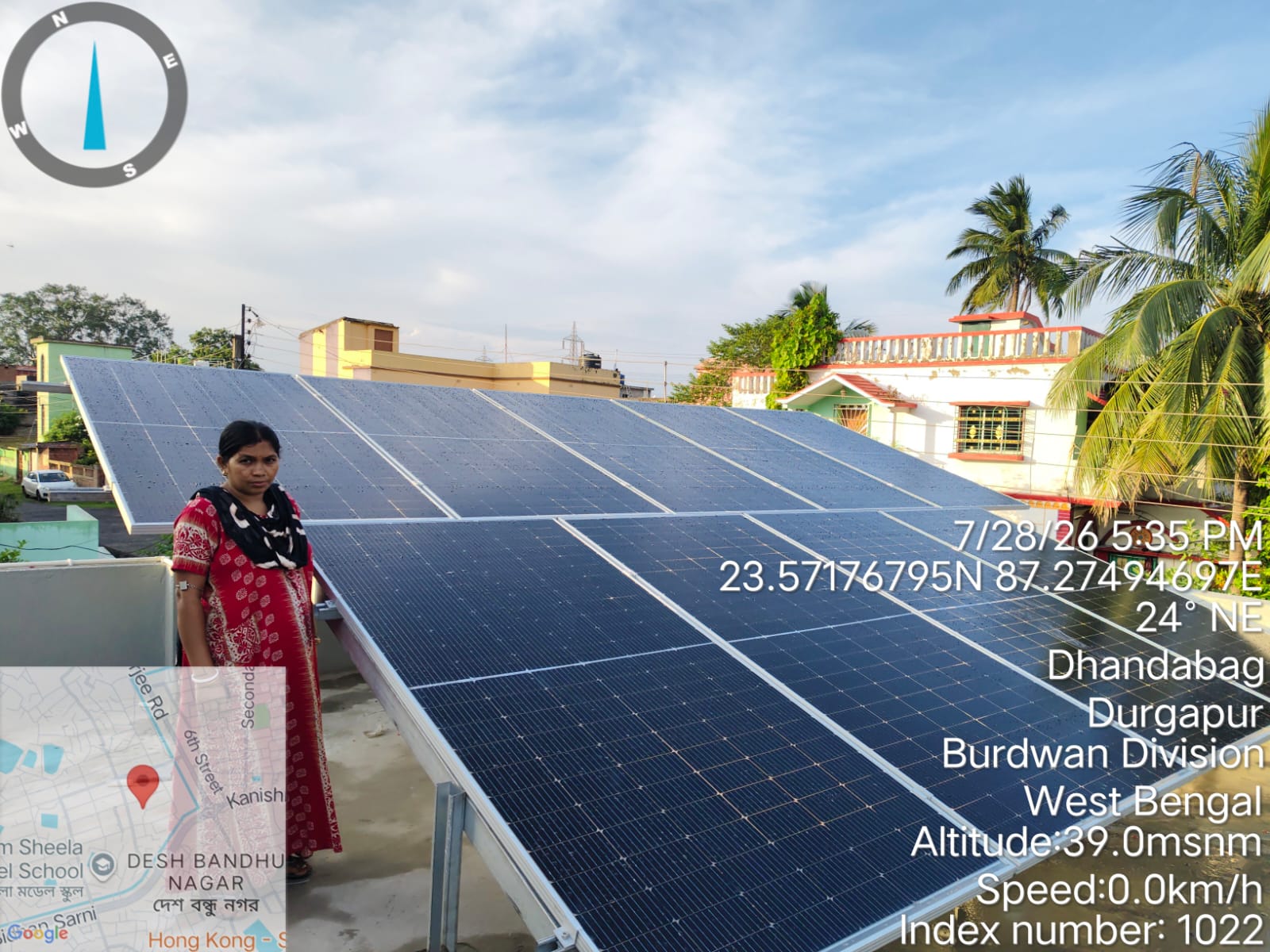
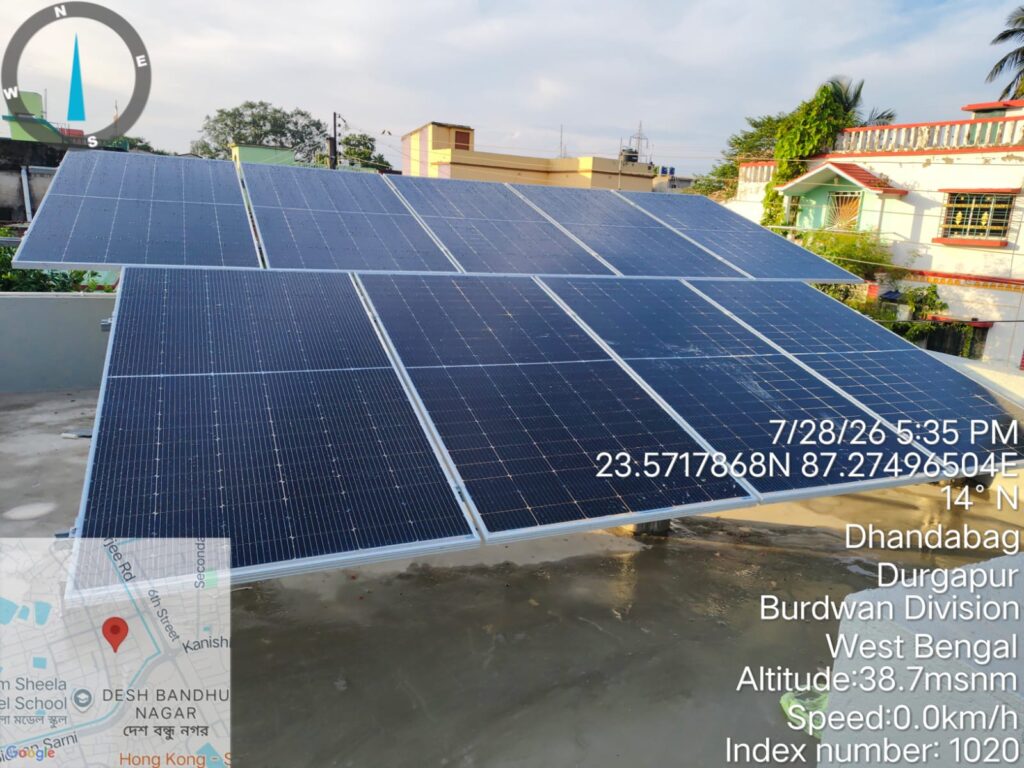
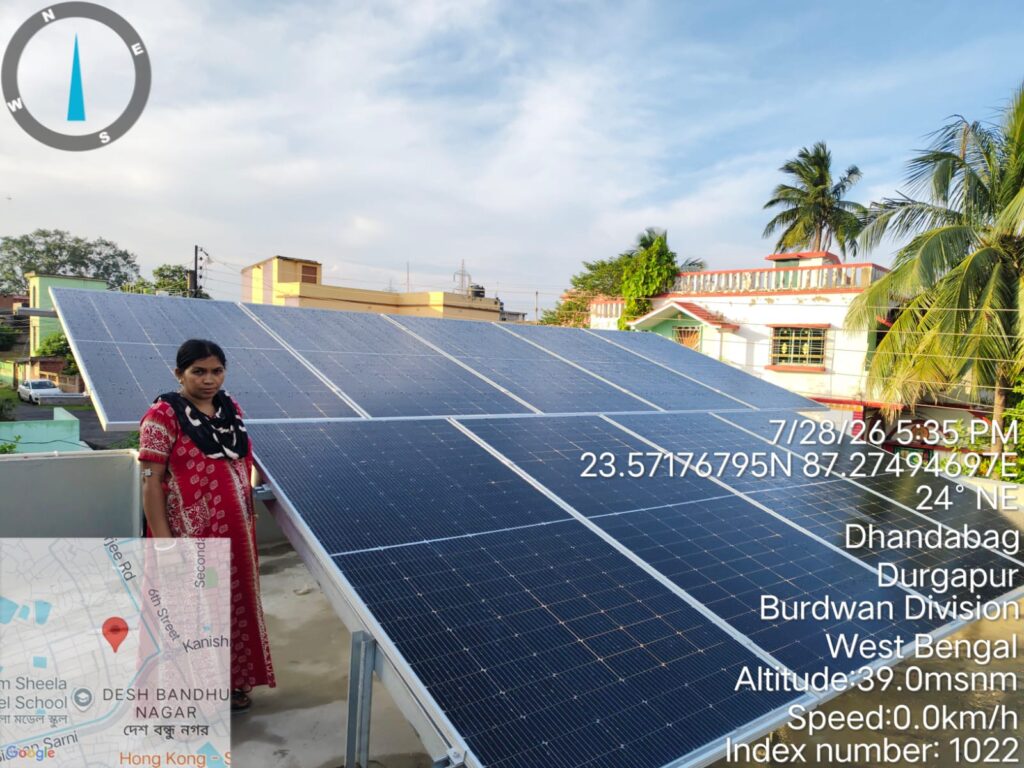
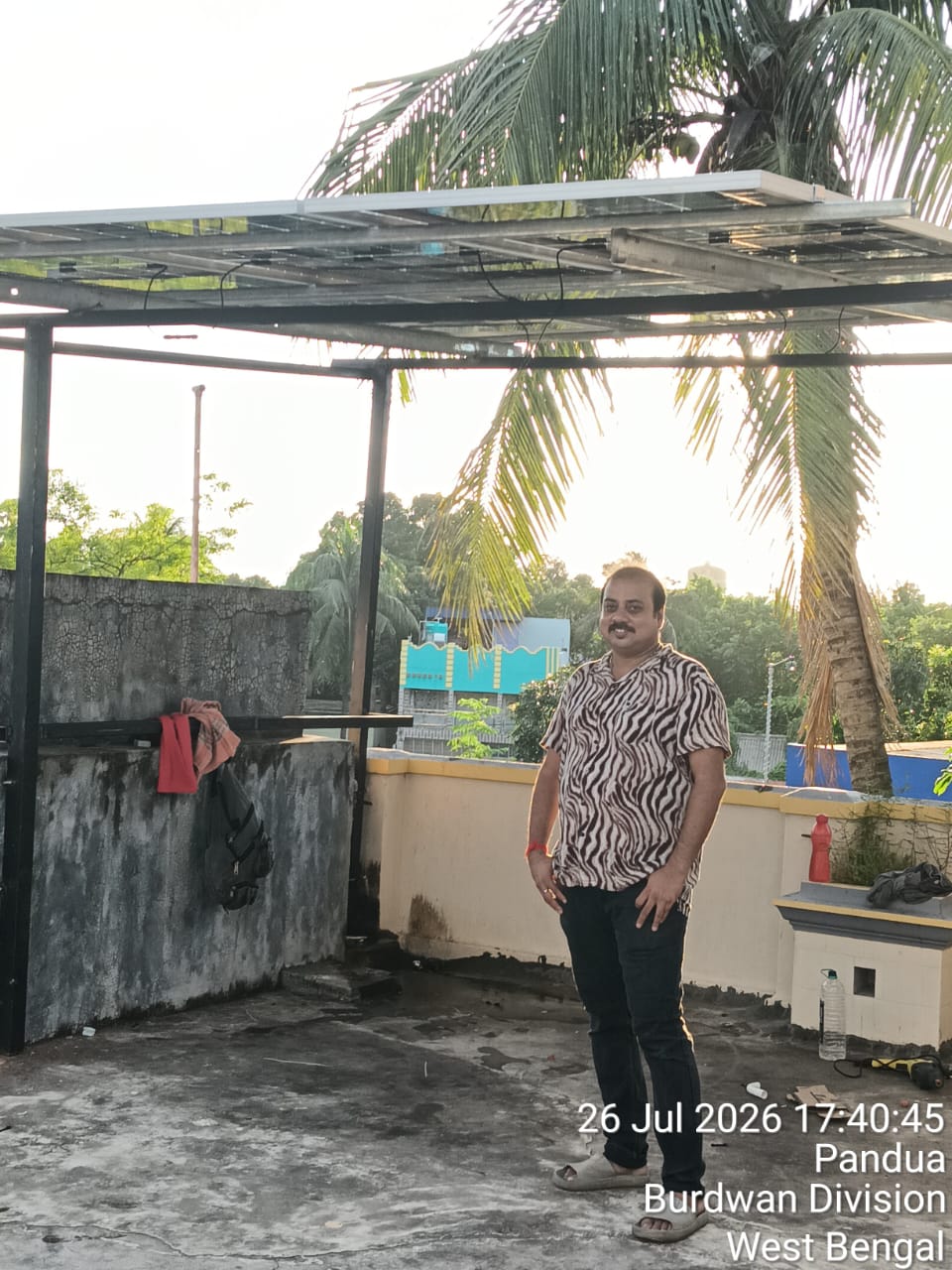
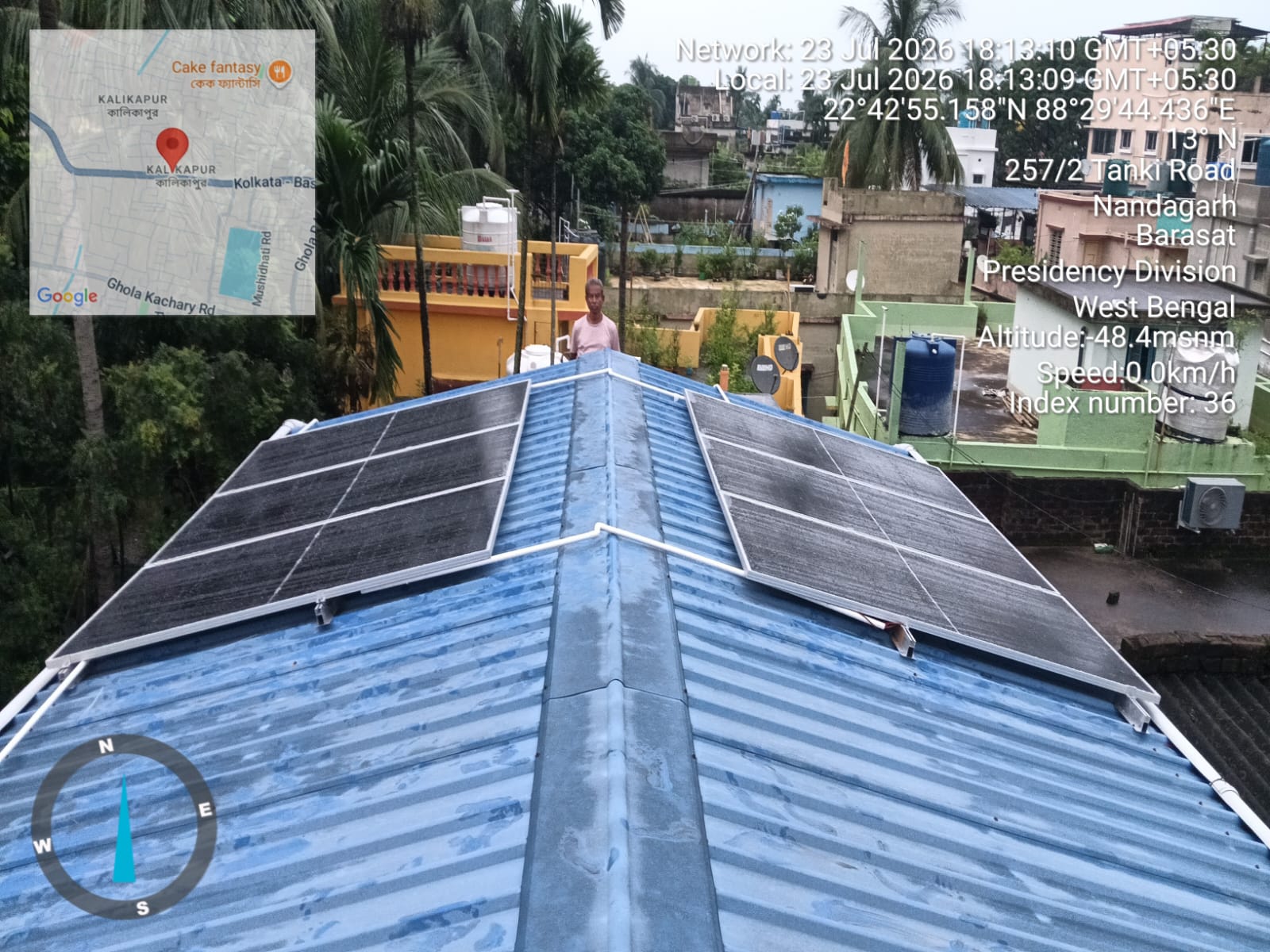
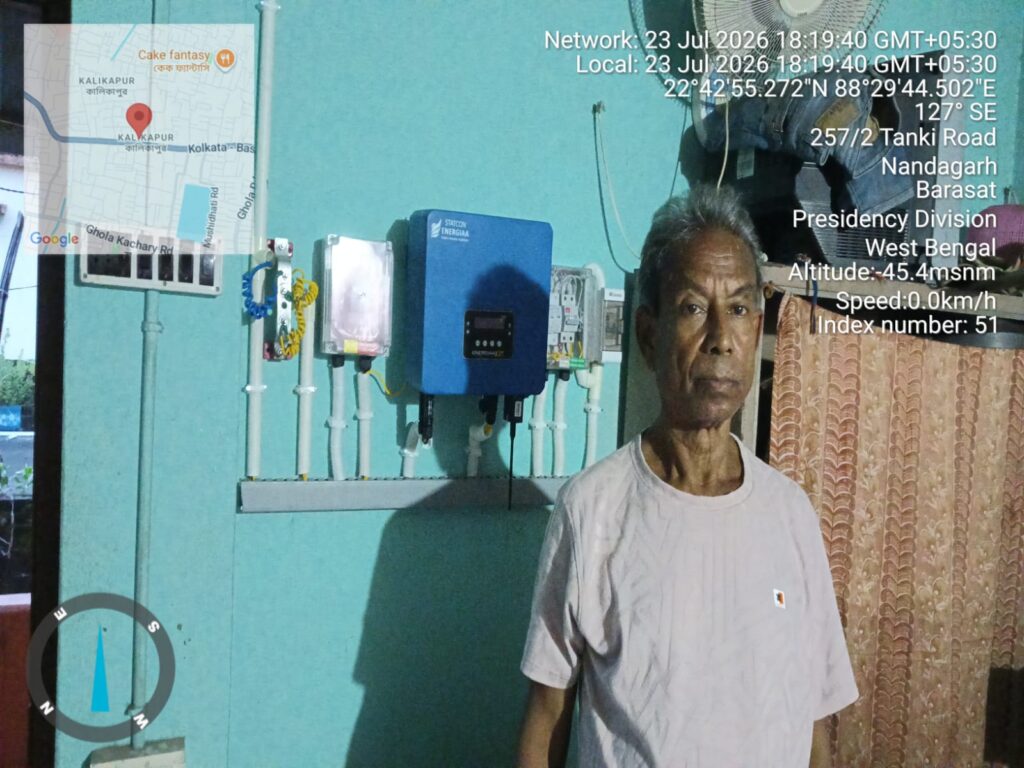
Green energy isn’t just an environmental buzzword anymore. Best solar panel installer in Kolkata has proven that it’s a practical, cost-saving, future-proofing decision.
Here’s why sustainability and operational efficiency now go hand-in-hand.
Table of Contents
What Is Green Energy, and Why Does It Matter Now?
Green energy comes from renewable, naturally replenishing sources- sunlight, wind, and water- instead of fossil fuels. Solar power has become the most accessible form of green energy for Indian homes and businesses, thanks to falling equipment costs, generous subsidies, and Kolkata’s abundant sunshine for most of the year.
The shift matters because energy costs and carbon regulations are only moving in one direction: up and stricter. Businesses that adapt early gain a real competitive edge.
1. Lower Operating Costs, Immediately and Long- Term
Solar panels convert sunlight into electricity, cutting dependence on the grid. For homeowners, this means smaller monthly bills.
For businesses, offices, factories, retail stores, clinics, it means:
- Reduced fixed overheads that free up capital for growth
- Protection against unpredictable electricity tariff hikes
- A payback period that’s shrunk significantly as panel prices have dropped
- Available subsidies and net-metering schemes that improve ROI further
Over a 20-25year panel lifespan, the savings compound dramatically compared to staying on conventional grid power alone.
2. Operational Efficiency: Power You Can Rely On
Kolkata sees its share of grid instability and load-shedding, especially during peak summer months. Solar systems particularly when paired with battery storage, give businesses:
- Consistent power supply that reduces downtime
- Lower maintenance costs compared to diesel generators
- Quieter, cleaner backup power with no fuel logistics
- Scalable capacity as your business grows
For clinics, manufacturing units, hospitality businesses, and IT offices, uninterrupted power isn’t a convenience; it’s operational continuity.
3. Sustainability That Builds Brand Value
Consumers and clients increasingly favour businesses that visibly reduce their environmental footprint.
Going solar allows you to:
- Lower your carbon footprint measurably
- Strengthen ESG credentials for investors, partners, and clients
- Differentiate your brand in a crowded market
- Contribute meaningfully to India’s renewable energy targets
4. Government Incentives Make the Switch Easier Than Ever
Central and West Bengal state schemes currently support solar adoption through:
- Capital subsidies for residential rooftop installations
- Accelerated depreciation benefits for commercial installations
- Net metering that lets you sell surplus power back to the grid
- Simplified approval processes compared to a few years ago
These incentives significantly shorten the time it takes for a solar investment to pay for itself.
Choosing the Best Solar Installer in Kolkata
The benefits of green energy only materialize with a quality installation. A poorly designed or poorly maintained solar system underperforms, undermining both savings and sustainability goals. When evaluating solar installers in Kolkata, look for:
- Proven local experience– familiarity with Kolkata’s climate, rooftop structures, and state subsidy processes
- Transparent, itemized quotes– no hidden costs on panels, inverters, or installation
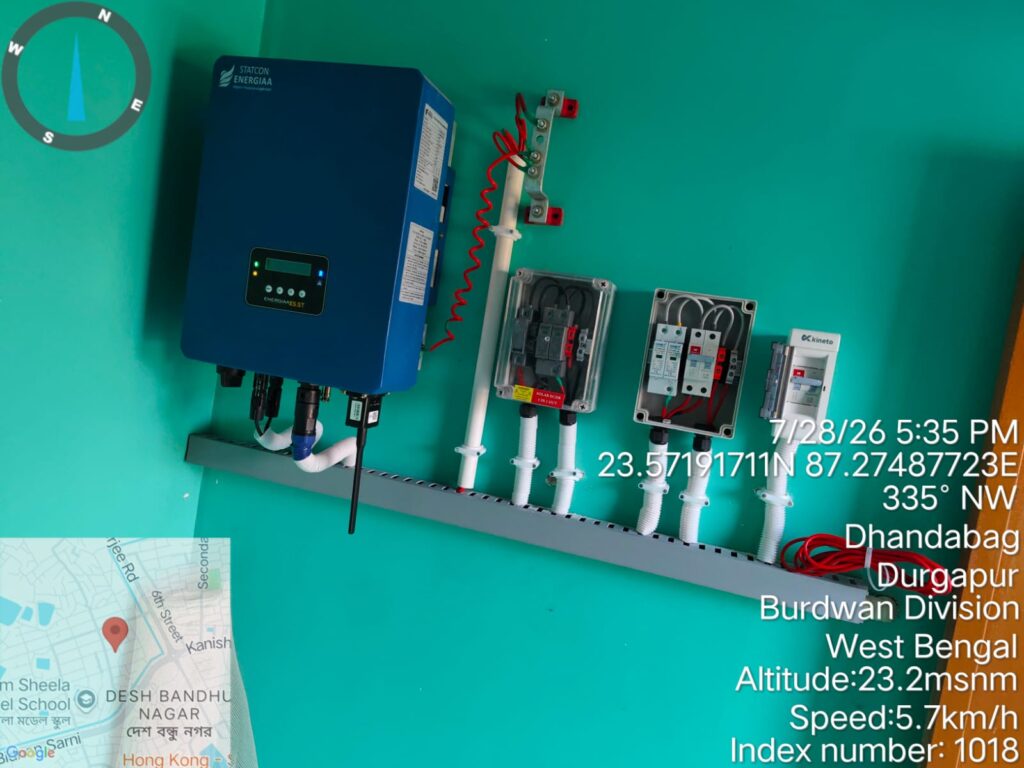
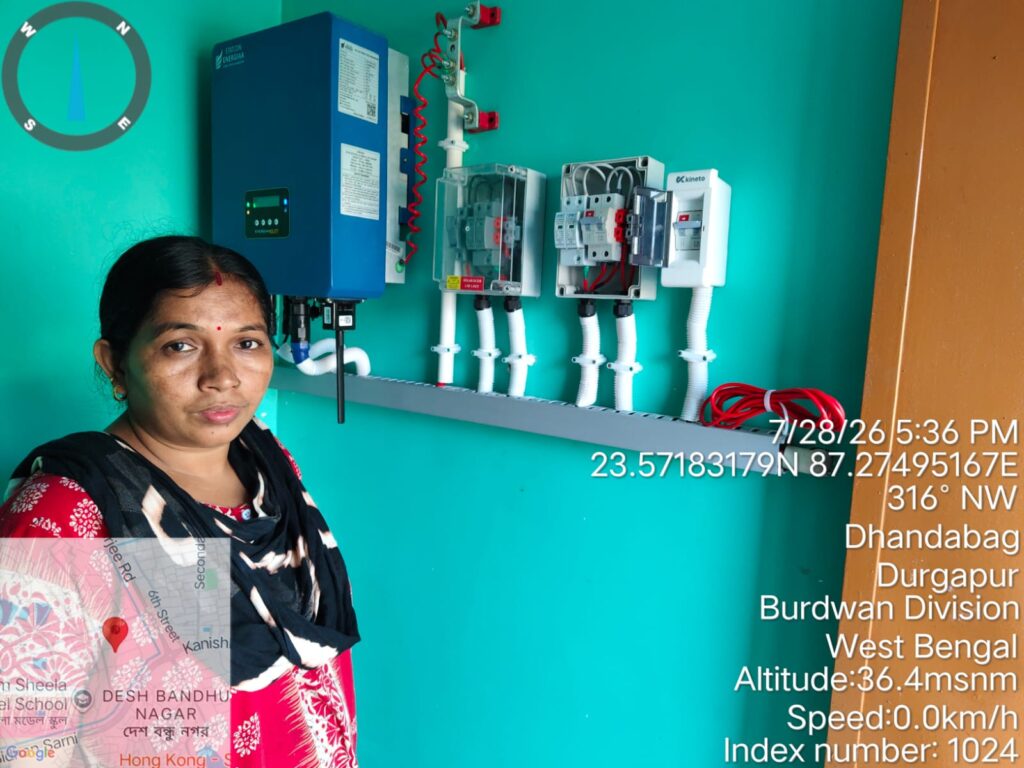
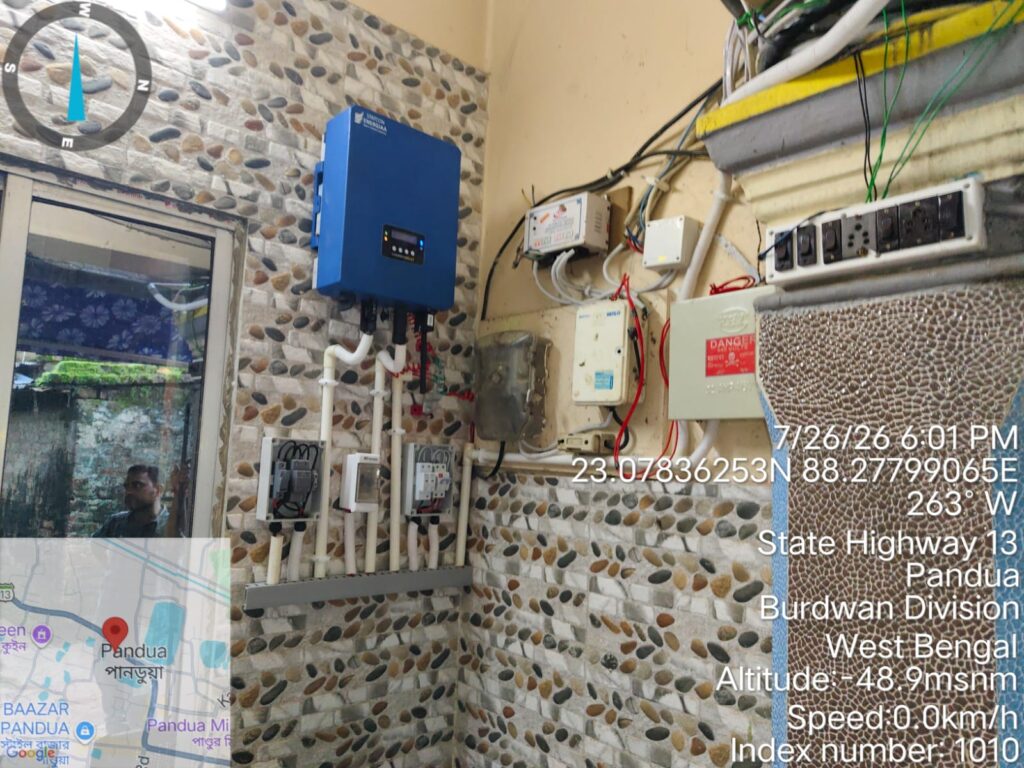
- Quality equipment– tier-1 panels and inverters backed by strong warranties
- After-sales support– maintenance, monitoring, and prompt service when issues arise
- Verified client reviews and completed project portfolios
The right installer doesn’t just sell you panels- they design a system sized correctly for your actual consumption, guide you through subsidy paperwork, and stand behind their installation for years to come.
Green energy delivers a rare combination: lower costs, greater operational reliability, and a stronger sustainability profile- all from a single investment. As Kolkata’s businesses and homeowners increasingly make the switch, the difference between a good outcome and a great one almost always comes down to installer quality.
If you are evaluating your options, take the time to compare installers on experience, transparency, and after-service support- not price alone. A well-installed solar system pays dividends for decades; a rushed one costs you twice.
Ready to make the switch to Best Solar Installer in Kolkata?
Get advice from experts.
FAQ:
1. Why are more businesses and homeowners in Kolkata switching to solar energy?
Due to rising electricity tariffs, frequent power cuts, and growing awareness of carbon footprints are driving the shift. Solar offers long-term savings, protection against tariff hikes, and a cleaner energy source, making it an increasingly practical choice for both commercial and residential properties in the city.
2. How much can I save by installing solar panels?
Savings depend on your current electricity consumption, roof space, and system size, but most homeowners and businesses see a significant reduction in monthly electricity bills, often recovering their investment within 4-6 years, with 20+ years of free power after that.
3. What makes a solar installer “the best” choice in Kolkata?
Look for installers with proven local experience, certified technicians, quality equipment (tier-1 panels and inverters), transparent pricing, strong after-sales service, and a track record of successful installations across residential and commercial properties in the region.
4. Are there government subsidies or incentives available for solar installation in Kolkata?
Yes, both central and West Bengal state government schemes offer subsidies for residential solar installations, along with accelerated depreciation benefits for commercial and industrial setups.